Tahini Benefits: Nutrition, Protein & Everyday Uses
What are the real benefits of tahini, and is tahini good for you? Tahini is simply ground sesame seeds—just one ingredient—but it brings a lot to the table. It offers plant-based protein, mostly unsaturated fats, and naturally occurring vitamins, minerals, and sesame compounds. On top of that, it’s incredibly easy to use in everyday cooking, whether you’re making hummus, whisking up a salad dressing, blending a smoothie, or finishing a dessert.
At its core, tahini is a nutrient-dense seed butter that fits nicely into a balanced diet when enjoyed in sensible portions. If you want a deeper breakdown of calories, fats, and how it fits into daily eating, check out our guide on whether tahini is healthy for you.

A Quick Look of Tahini Nutrition
A small amount of tahini goes a long way. Based on USDA nutrition data, one tablespoon typically contains:
| Nutrient | Approximate amount per tablespoon |
|---|---|
| Calories | 89–90 |
| Protein | 3 g |
| Fat | 8 g |
| Carbohydrates | 3 g |
| Fibers | 1 g |
In addition, tahini contains naturally occurring vitamins and minerals, though the exact amounts can vary depending on whether the sesame seeds are hulled or unhulled, how they’re processed, and the specific brand.
That’s why the best way to understand tahini nutrition is to check the Nutrition Facts label on the jar you’re using.
The 7 Tahini Benefits Worth Knowing
The most meaningful sesame tahini benefits come straight from sesame seeds themselves. With that in mind, here are seven reasons tahini can be a smart, simple addition to your diet.
1. Tahini provides plant-based protein
When it comes to tahini protein, one tablespoon offers about 3 grams.
It’s not a high-protein food on its own, but it does help round out meals. It pairs especially well with chickpeas, lentils, beans, whole grains, and other plant-based ingredients.
Try adding tahini to hummus, grain bowls, oatmeal, smoothies, or dressings for an easy nutrition boost and extra flavor.
Summary: Tahini delivers essential minerals, protein, and healthy fats in one simple spoonful – a powerhouse addition to your diet.
2. It provides mostly unsaturated fats
Sesame seeds naturally contain fat, which is what gives tahini its smooth, creamy texture.
Most of that fat is unsaturated. Many dietary guidelines encourage choosing more unsaturated fats over saturated fats as part of a balanced eating pattern.
That said, this doesn’t make tahini a “heart-healthy food” or a treatment for anything—it simply means its fat profile fits well into a varied, balanced diet when eaten in reasonable portions.
Summary: Packed with sesamin and other lignans, tahini helps your body defend against oxidative stress and cell damage.
3. Tahini supplies vitamins and minerals
Another reason people look into tahini benefits is its natural micronutrient content.
Depending on the product, tahini can provide copper, phosphorus, manganese, selenium, magnesium, iron, and B vitamins. These nutrients all play different roles in the body, which is why overall diet variety matters so much.
You may also notice differences between whole-seed and hulled tahini, since the sesame hull contains additional fiber and minerals.
Summary: Tahini may help lower bad cholesterol and blood sugar markers, supporting heart and metabolic health.
4. Sesame contains naturally occurring plant compounds
Sesame seeds contain plant compounds called lignans, including sesamin and sesamolin.
These compounds are being studied for their antioxidant activity. Research on sesame foods is ongoing, but results vary depending on what form is being studied—whole seeds, oil, extracts, or isolated compounds.
Because of that, findings from supplements or extracts don’t automatically translate to the same effects from everyday servings of tahini.
Summary: Sesame seed compounds may help the body resist harmful microbes and support immune function.
5. Sesame research is exploring heart health connections
Some studies and reviews have looked at how sesame foods may relate to blood pressure and cholesterol levels.
The research is still developing. Some results suggest possible benefits in certain groups, while others show more modest or mixed outcomes. Many studies also focus on different forms of sesame, not just tahini.
So it’s more accurate to think of sesame as an interesting area of nutrition research rather than saying tahini directly lowers cholesterol or blood pressure.
Summary: Tahini’s natural compounds may help soothe inflammation throughout the body.
6. Whole Seed Tahini is a natural source of calcium
Calcium content can vary quite a bit between tahini products, especially depending on whether the sesame hull is included.
Mighty Sesame’s Whole Seed Tahini is made from just one ingredient: whole Ethiopian sesame seeds. According to product information, it provides 260 mg of calcium per serving.
Because it uses the entire sesame seed, Whole Seed Tahini also has a deeper, more robust sesame flavor. The squeeze bottle makes it easy to add to salads, vegetables, smoothies, hummus, and more.

Experience creamy, nutrient-rich tahini made from whole Ethiopian sesame seeds.
7. Tahini makes healthy eating more convenient
One of the most practical tahini benefits is simply how easy it is to use.
You can drizzle it over roasted vegetables, whisk it into dressings, blend it into smoothies, stir it into oatmeal, mix it into hummus, or use it in baking and desserts.
That flexibility makes it an easy way to add sesame seeds, plant-based fats, and a bit of protein to everyday meals without much effort.

How Much Protein Is in Tahini?
A typical tablespoon contains around 3 grams of tahini protein.
That makes tahini more of a supporting protein source than a main one. For a more protein-rich meal, pair it with chickpeas, beans, lentils, yogurt, seeds, or whole grains.
Mighty Sesame makes it simple to enjoy tahini daily. If you prefer a smooth organic option, our Organic Tahini at Mighty Sesame contains just one ingredient—roasted, hulled organic sesame seeds—and is ready to drizzle, squeeze, or blend.
So, Is Tahini Good for You?
For most people who aren’t allergic to sesame, tahini can absolutely be part of a healthy, balanced diet.
It brings unsaturated fats, plant-based protein, and naturally occurring vitamins and minerals in a small serving. Like other seed and nut butters, it’s also calorie-dense, so portion size can matter depending on your goals.
So the real answer to “is tahini good for you?” comes down to balance—how it fits into your overall eating pattern, not whether it’s a “superfood.”
Easy Ways to Add Tahini to Your Diet
Putting sesame tahini benefits into practice is easy—and honestly, pretty delicious. Try these below recipes:
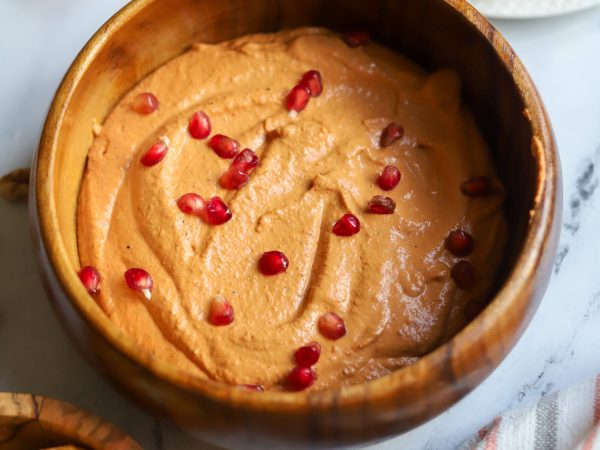
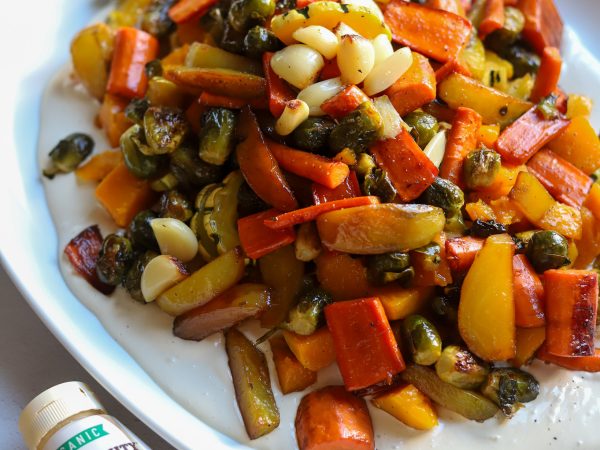


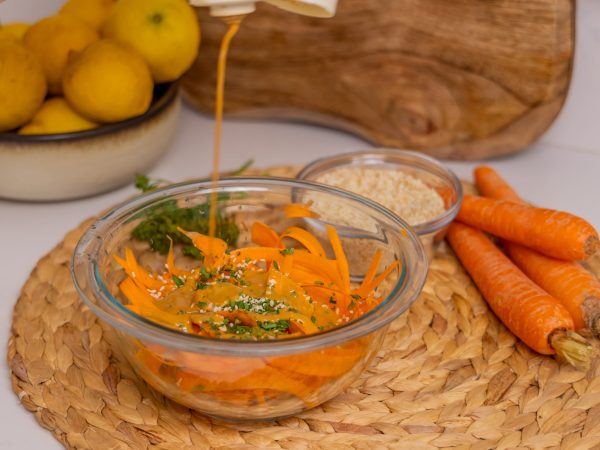

Need more ideas? Explore our tahini recipes for breakfast, lunch, dinner, snacks, and desserts.
A Few Things to Keep in Mind
Tahini is nutrient-rich, but there are a couple of practical things to remember.
Portion size
Tahini has about 90 calories per tablespoon because sesame seeds are naturally high in fat. That doesn’t make it unhealthy—it just means portion size can matter depending on your goals.
Sesame allergy
Tahini is made from sesame, which is recognized as a major food allergen in the U.S. Anyone with a sesame allergy should avoid tahini and always read ingredient labels carefully.
Frequently Asked Questions
What are the benefits of sesame tahini?
Tahini provides plant-based protein, mostly unsaturated fats, and naturally occurring vitamins, minerals, and sesame plant compounds. Research on sesame foods is still ongoing. It explores possible health effects, but results vary and shouldn’t be taken as direct effects of tahini alone.
Is tahini rich in calcium?
It depends on the product. Calcium levels vary based on whether the sesame hull is included. Mighty Sesame Whole Seed Tahini provides 260 mg of calcium per serving and is made from whole Ethiopian sesame seeds. For the most accurate information, always check the Nutrition Facts label.
Does tahini contain protein?
Yes. Tahini nutrition typically includes about 3 grams of protein per tablespoon. It works best as a supporting protein source within a balanced meal.
Have more questions about Mighty Sesame products, ingredients, or storage?
Enjoy the Benefits of Tahini Your Way
The most meaningful tahini benefits come from what’s naturally inside the sesame seed: healthy fats, plant-based protein, vitamins, minerals, and beneficial plant compounds.
Instead of thinking of tahini as a cure-all, think of it as a simple, versatile ingredient that adds creamy texture and rich sesame flavor to both sweet and savory dishes.
Want to try it yourself? Explore our tahini products and find Mighty Sesame products near you today!
