Is Tahini Bitter? Tips to Make It Taste Smoother
New to tahini or surprised by a sharp taste? Here’s the friendly, Mighty Sesame guide to spotting, fixing, and loving great tahini.
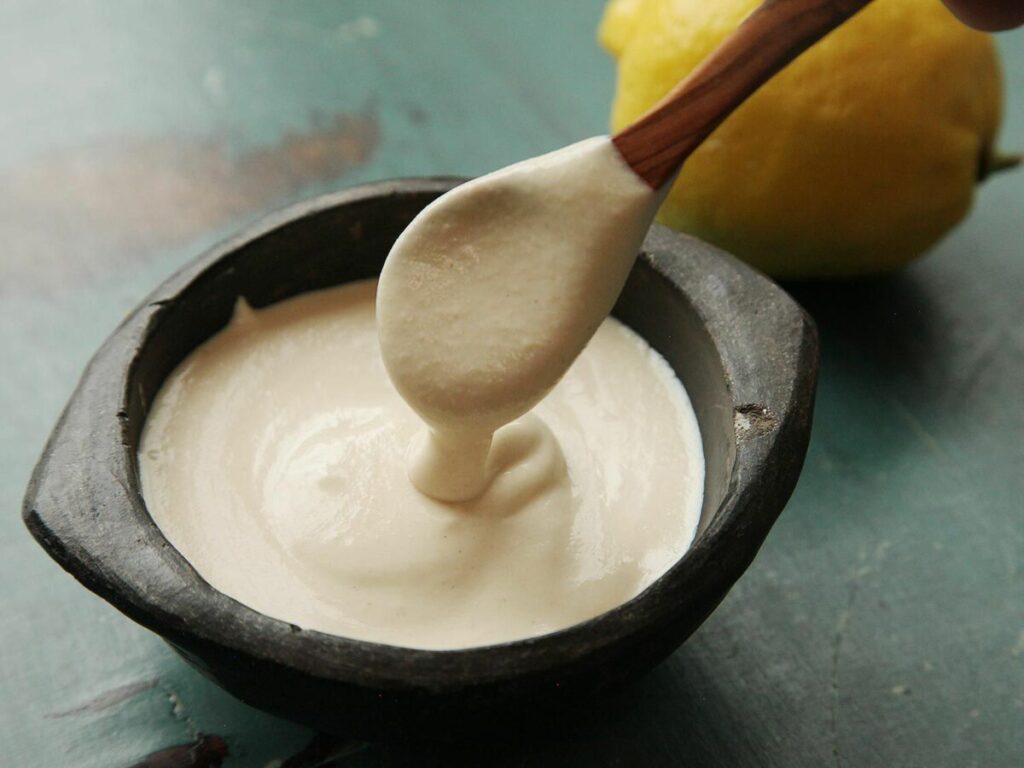
If you’ve just dipped a spoon into tahini and wondered if tahini is bitter, you’re not alone. A gentle, tea-like bitterness is normal in ground sesame, but a harsh, lingering bite usually points to seed choice, roast level, age, or storage.
Below, we’ll explain why it happens, and show you simple, tested ways to smooth it out at home.
Why Some Tahini Tastes Bitter
Bitterness in tahini comes from natural sesame phenolics and can be amplified by:
- Seed type & hulls: Unhulled seeds have a more intense and slightly bitter taste than hulled seeds.
- Roast level: Over-roasting pushes the nutty into bitter; under-roasting can taste grassy.
- Age & oxidation: Sesame oil is delicate. Air, heat, and light speed up oxidation and off-flavors.
- Separation & texture: If solids are compact and oil sits on top, the first spoonfuls can taste sharp. Stirring (or squeezing from a no-stir bottle) helps.
Quick Answer: Should Tahini Taste Bitter?
A little bit, yes. Think green tea or dark chocolate. But if tahini tastes bitter enough to dominate a dip or dressing, treat it as a fixable balance issue or a freshness/quality clue.
Tips on How to Make Tahini Less Bitter
Use these simple adjustments solo or in combination, and taste as you go:
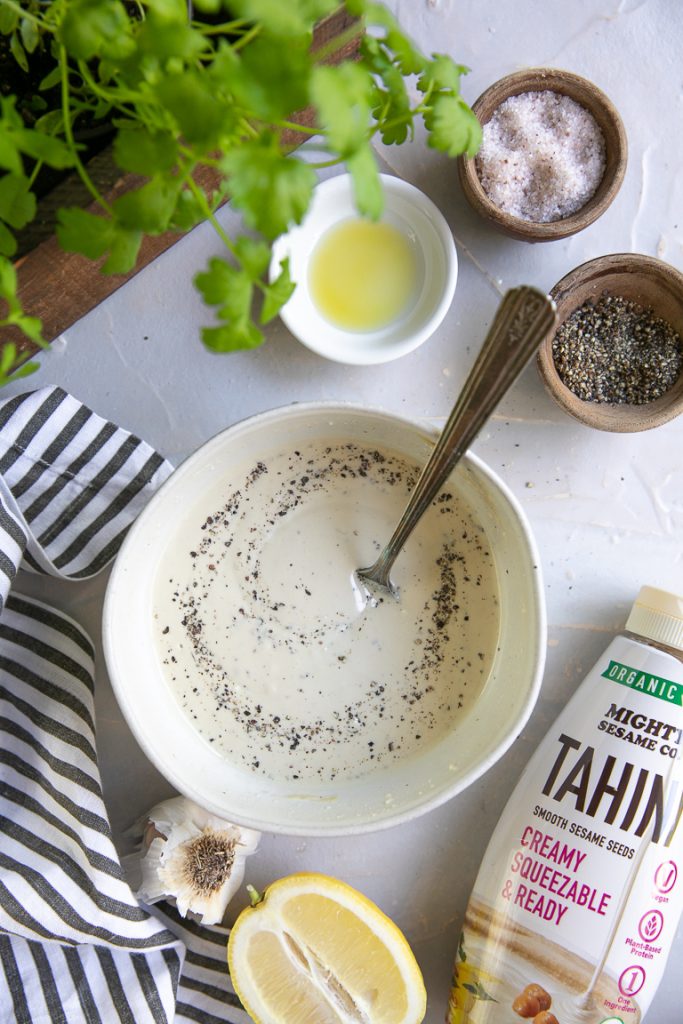
Tip #1: Add acidity
Acid resets balance by reducing the perception of bitterness and tightening the emulsion. Whisk in 1-2 tablespoons fresh lemon juice per 1/2 cup tahini, tasting as you go. Lime or mild vinegar also works; add cold water to keep it creamy.
Tip #2: Add a whisper of sweetness
A touch of sweetness counters bitterness without turning the sauce sugary. Start with 1-2 teaspoons maple or date syrup per 1/2 cup tahini, then adjust. Honey is fine if not vegan. Re-whisk after resting; flavors mellow within minutes.
Tip #3: Salt with intention
Salt reduces perceived bitterness and boosts nuttiness. Sprinkle a small pinch of fine sea salt, whisk, taste, and repeat. For dressings, dissolve salt in lemon first so it disperses evenly. If flavors seem flat, add another tiny pinch.
Tip #4: Loosen with neutral flavors
Thick tahini can amplify sharp notes. Drizzle in ice-cold water a tablespoon at a time to build a light, creamy emulsion; for extra silkiness, add a teaspoon of neutral oil. Stop when ribbons form and the bitterness noticeably recedes.
Tip #5: Blend for smoothness
Blending helps re-emulsify separated tahini and smooth out any graininess that can taste harsh. Blend 30-60 seconds with lemon, water, and seasonings. If it seizes, add water by teaspoons until glossy. A brief chill further softens edges.
Tip #6: Add aromatics
Layer flavor to distract from bitterness and add complexity. Whisk in minced garlic, ground cumin, smoked paprika, or chopped herbs. Start with a small amount, such as 1/4 teaspoon of spices or one small garlic clove, then adjust to taste. Toasted spices bloom fast; add gradually. Garlic, cumin, smoked paprika, or fresh herbs distract the palate and add depth.
Pro move: Combine lemon + maple + salt in 3:2:1 ratios, then whisk into tahini with cold water until creamy. That’s the fastest route for how to make tahini less bitter in dressings and dips.
Choosing Smoother-Tasting Tahini at the Store
- Read the label and choose products with a short ingredient list, ideally just sesame seeds.
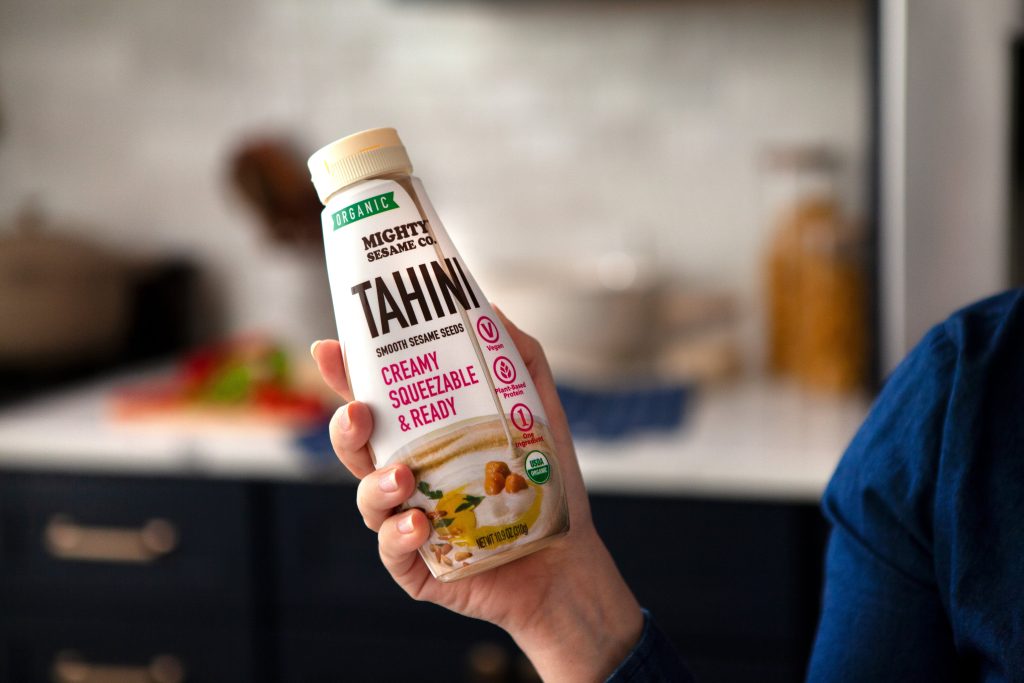
- Check for a smooth, no-stir, creamy texture, and consider squeeze bottles to reduce air exposure and portion easily.
- Buy fresh with a long best-by date, rotate at home, and taste a spoonful when you first open.
Storage Tips
- Seal tightly after each use to reduce air exposure.
- Keep it cool and dark. A pantry away from the stove is fine; refrigeration after opening helps preserve flavor longer.
- Stir or shake. If your jar separates, fully reincorporate before judging flavor.
When to Toss It
Trust your senses. If it smells like paint, crayons, or feels sticky-bitter with a lingering “old oil” taste, it’s likely rancid. Discard and start fresh.
Discover these Smooth-Tasting Picks from Mighty Sesame
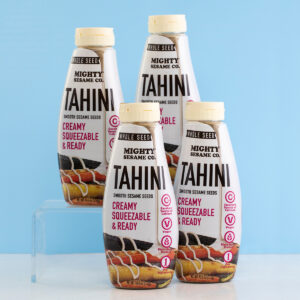
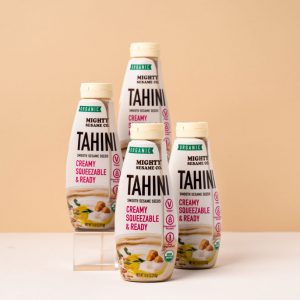
Prefer to shop local? Use our Store Locator to find the nearest retailer that carries Mighty Sesame. You can also find our products on major online marketplaces.
FAQ: Quick Answers for Real-World Kitchens
A faint, tea-like bitterness is normal for ground sesame and should fade quickly. If the bite is sharp or lingers, rebalance with lemon juice, a touch of maple syrup, and a pinch of salt. Still intense? Check the best-by date, storage, seed type, and brand.
Whisk tahini with fresh lemon juice and ice-cold water to build a light emulsion that softens edges. Add one to two teaspoons of maple (or date) syrup and a pinch of salt, then taste. If needed, blend briefly and add garlic or cumin before thinning to pourable.
Yes. Hulled-seed tahini made from fresh, well-roasted sesame usually tastes smoother and less bitter than older or unhulled versions. Texture matters too: a truly smooth, no-stir tahini is easier to re-emulsify. Squeeze bottles limit air exposure, preserve freshness, and simplify quick drizzles.
Once opened, a tightly sealed jar typically keeps for several months when stored cool and dark; refrigeration extends that window and flavor quality. Always stir, then smell and taste before use. Any paint-like, crayon-like, or rancid notes mean it’s time to replace the jar.
Absolutely. In brownies, cookies, and snack cakes, cocoa, sugar, and vanilla naturally balance tahini’s edge. You can also add dates or maple syrup and warm spices like cinnamon. Use fresh tahini, measure accurately, and avoid overbaking, which concentrates bitterness and dries the crumb.
Some Final Thoughts…
A hint of bitterness gives tahini character; balance and freshness make it lovable. If you’re still asking, “Is tahini bitter?”, try the quick-fix ratios above, choose fresh, smooth-textured options, and store them well.
Ready to taste the difference? Use our Store Locator to find Mighty Sesame near you or look for our products on trusted online retailers.
