Sesame Paste vs Tahini: What's The Difference?
Sesame paste vs tahini might sound like a straightforward comparison since both come from sesame seeds. But the terms aren’t always used the same way. Tahini is one type of sesame seed paste, while other versions—like Chinese sesame paste—can vary quite a bit in roast level, flavor, texture, and how they’re traditionally used.
So if you’re trying to figure out what works best for hummus, noodles, sauces, or baking, here’s a simple breakdown of how they compare—and when each one really shines.
What Is Tahini?
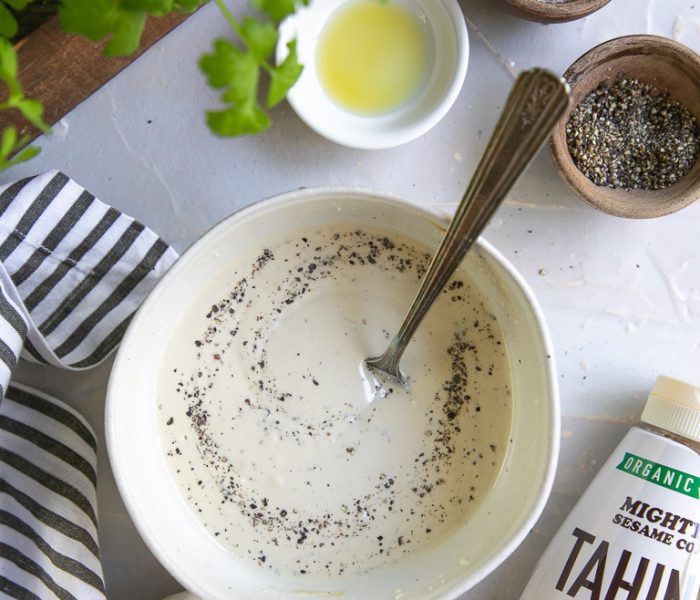
Tahini is a smooth paste made by grinding sesame seeds. Depending on the style, the seeds may be hulled or unhulled and either raw or roasted.
Most common tahinis are made from hulled sesame seeds, which gives them a mild, nutty flavor and a creamy texture. As a result, tahini blends easily into everything from hummus and dressings to sauces, baked goods, smoothies, and even desserts.
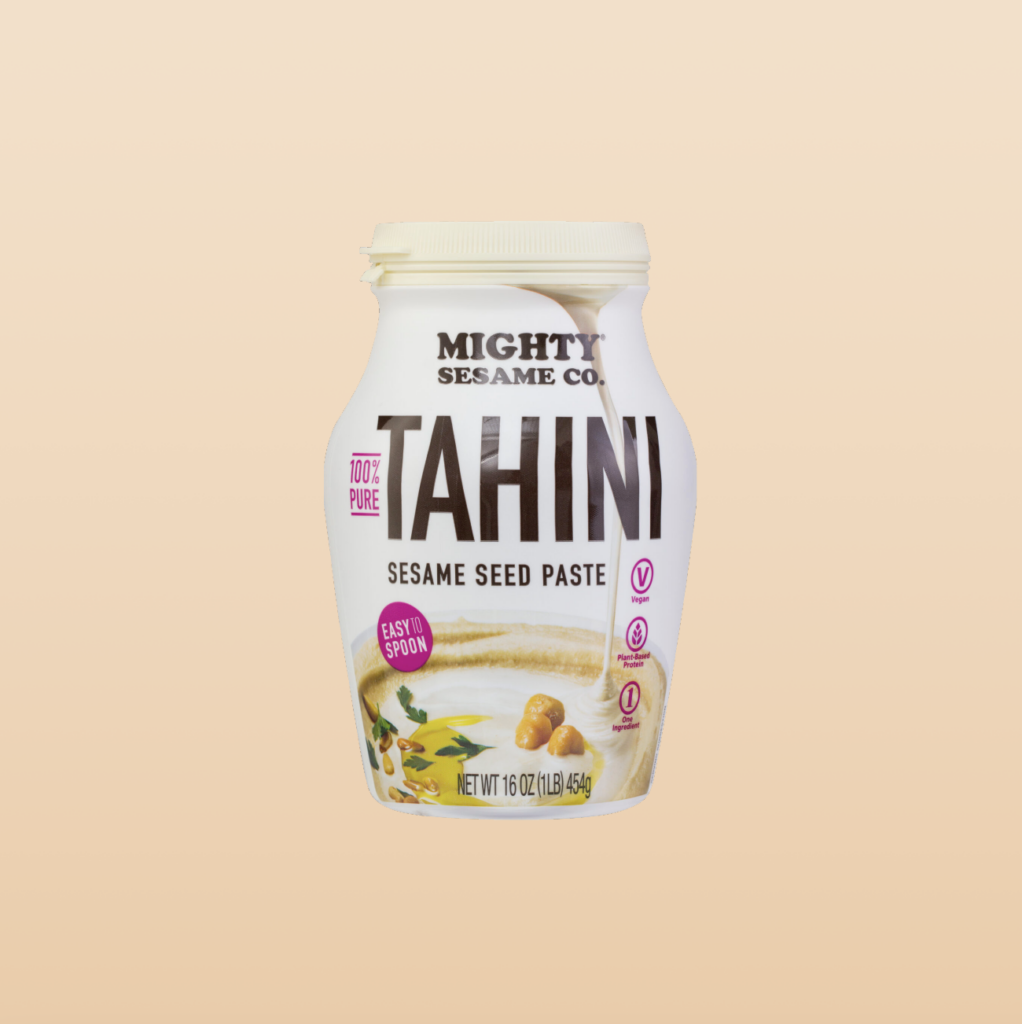
Mighty Sesame’s Organic Tahini Squeeze Bottle keeps things simple with just one ingredient: roasted, hulled organic sesame seeds. The squeeze bottle format also makes it easy to shake, drizzle, and stir into everyday meals without any mess.
What Is Chinese Sesame Paste?
This sesame paste, sometimes called zhī ma jiàng or sesame sauce depending on the brand or region, is also made from ground sesame seeds.
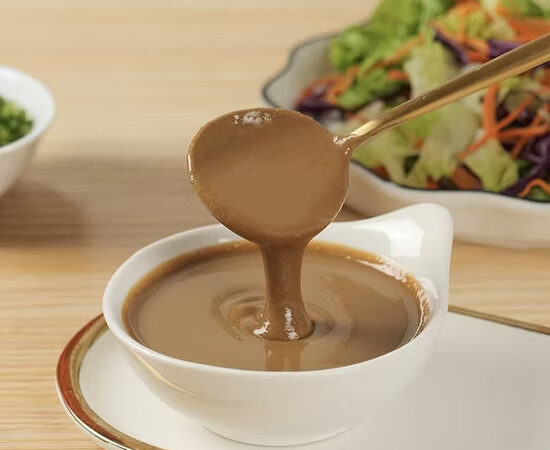
The key difference comes down to roasting. Chinese-style sesame paste is usually made from more deeply toasted sesame seeds, which gives it a darker color and a stronger, more intense sesame flavor. It also tends to be thicker and more concentrated than many tahinis, though this can vary by brand.
Because of that bold, roasted profile, it works especially well in noodle sauces, dipping sauces, and savory dishes where you want the sesame flavor to stand out.
A Quick Look to the Differences of Sesame Paste and Tahini
| Tahini | Chinese sesame paste | |
|---|---|---|
| Main ingredient | Sesame seeds | Sesame seeds |
| Roasting | Varies; often lighter | Typically more deeply toasted |
| Color | Usually lighter | Usually darker |
| Flavor | Mild, nutty, slightly earthy | Stronger, toastier, more intense |
| Texture | Smooth and pourable | Thicker and more concentrated |
| Common uses | Hummus, dips, dressings, baking | Noodles, dipping sauces, savory dishes |
| Best when | You want a smooth sesame flavor | You want bold sesame flavor to shine |
In the end, the main takeaway in the sesame paste vs tahini comparison is simple: neither is better. They just bring different flavors and textures to the table.
Why Does the Roasting Make Such a Difference?
Roasting has a noticeable impact on sesame seeds—it changes the aroma, depth, and overall flavor.
A lighter roast keeps things mild and nutty, which is why tahini blends so easily into ingredients like chickpeas, lemon, garlic, vegetables, or even chocolate.
By contrast, a deeper roast brings out a richer, more toasted flavor. That’s why the more deeply roasted version pairs so well with bold ingredients like soy sauce, vinegar, chili oil, garlic, and spices.
In short, it’s the difference between a background flavor that supports a dish and one that takes the lead.
How Do the Tahini and Sesame Paste Textures Compare?
Texture is another key part of the tahini vs sesame paste decision.
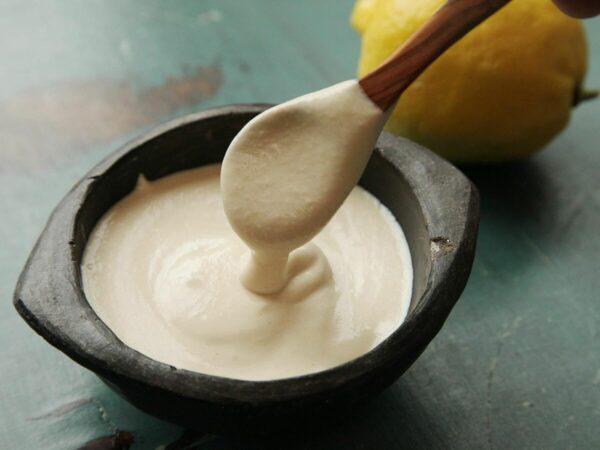
Tahini is usually smooth and easy to whisk or stir into sauces and dressings, although it can naturally separate a bit as the sesame oil rises.
Chinese-style sesame paste, on the other hand, is often thicker and more concentrated. In many recipes, it’s thinned out with warm water or another liquid before being mixed in.
Neither texture is better—it simply depends on the consistency you’re aiming for.
Are Tahini and Sesame Paste Nutritionally Different?
Since both come from sesame seeds, they share a lot in common, including plant-based fats, protein, and naturally occurring nutrients.
That said, the exact sesame seed paste profile can change depending on factors such as:
- Whether the seeds are hulled or unhulled
- The type of sesame used
- How the seeds are roasted or processed
- Any added ingredients
- Serving size
Because of this, the best way to compare is to check the ingredient list and Nutrition Facts label for each product.
One important note: sesame is one of the major food allergens in the United States, so anyone with a sesame allergy should avoid both tahini and other sesame pastes. Learn more from the U.S. Food and Drug Administration.
Which Should You Use in Different Recipes?
Choosing between sesame paste vs tahini becomes much easier when you match it to the dish.
| Dish or use | Suggested option | Why |
|---|---|---|
| Hummus | Tahini | Classic mild sesame flavor blends smoothly |
| Baba ganoush | Tahini | Supports smoky eggplant without overpowering it |
| Salad dressing | Tahini | Whisks easily into creamy dressings |
| Baking | Tahini | Adds gentle sesame richness |
| Dan dan-style noodles | Chinese-style paste | Bold, toasted flavor works beautifully in sauces |
| Dipping sauces | Either | Depends on how bold you want the flavor |
| Smoothies | Tahini | Adds creamy texture and subtle nuttinesss |
These are just starting points. Once you get comfortable with both, it really comes down to personal taste.
Can You Substitute Tahini for Chinese Sesame Paste?
Yes, you can in many cases—but the flavor will shift.
Tahini is milder, so using it instead of the more deeply roasted paste will give you a softer, more subtle sesame taste. If you want a bit more depth, a small splash of toasted sesame oil can help bring it closer.
The swap can also work in reverse, but expect a richer, more roasted result.
A good rule of thumb is to start with the same amount and adjust as you go based on taste and texture.

Which Tahini Should You Choose?
If you cook a lot of hummus, dips, dressings, baking, bowls, or smoothies, tahini is one of those pantry staples you’ll reach for often.
For everyday convenience, try our Organic Tahini Squeeze Bottle at Mighty Sesame. It’s smooth, ready to use, and perfect for quick drizzling or mixing.
If you prefer a more traditional option, our Classic Tahini Tub offers creamy tahini made from Ethiopian sesame seeds and works well for cooking, baking, and blending.
More Ways to Use Tahini
Tahini isn’t just for hummus—it’s surprisingly versatile.
You can try it in dressings, dips, sauces, smoothies, baked goods, roasted vegetables, breakfast bowls, and even desserts. Check these below recipes:
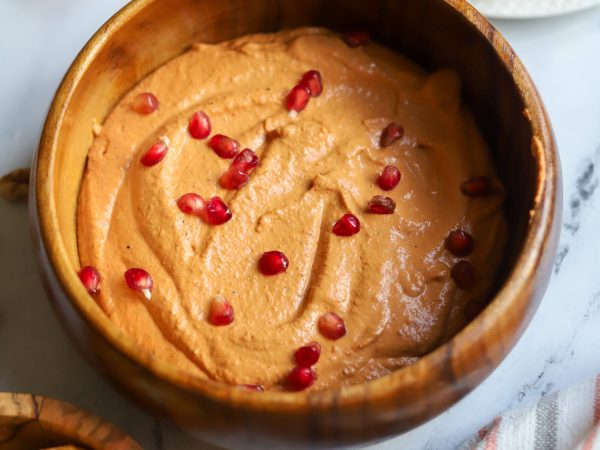
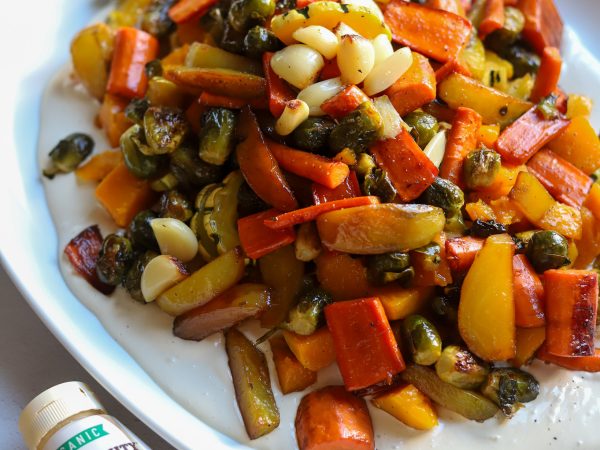
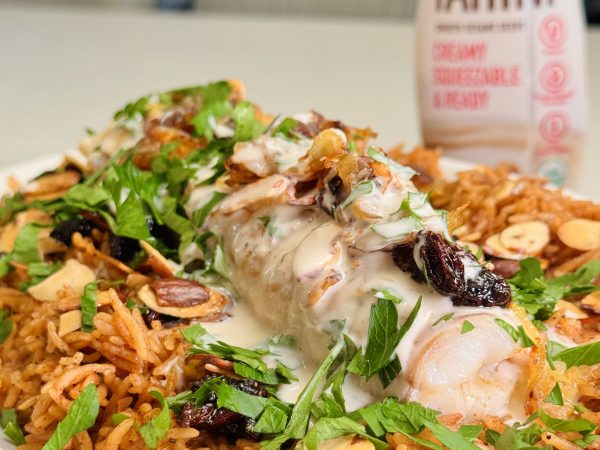
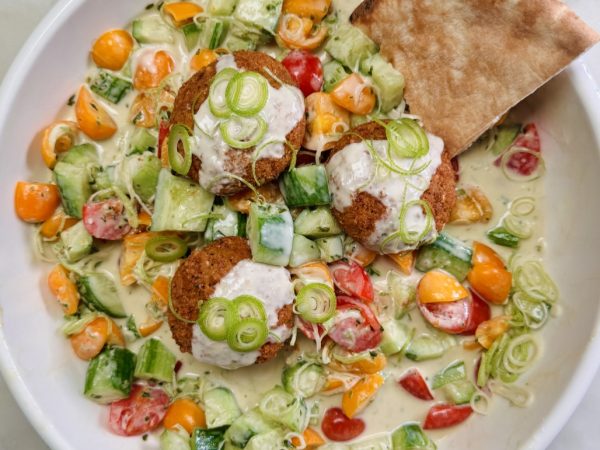
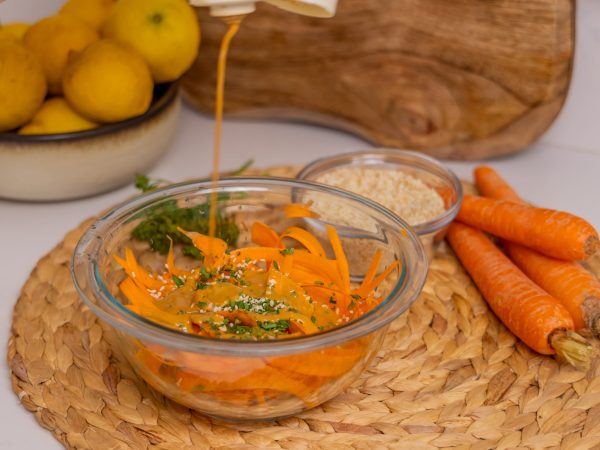
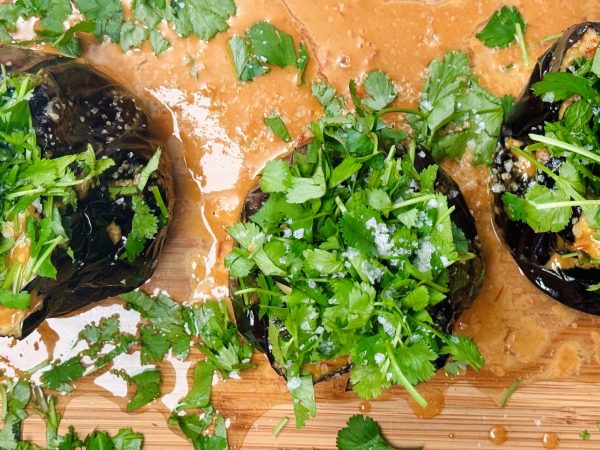
For inspiration, take a look at our tahini recipes.
Frequently Asked Questions
Is tahini healthier than Chinese sesame paste?
There’s no clear winner here. Both are made from sesame seeds, and differences mostly come down to processing and ingredients. The best approach is to compare labels for the specific products you’re using.
What's the difference between sesame paste and tahini in cooking?
Tahini is usually milder and works well in hummus, dressings, dips, sauces, and baking. The Chinese-style version is richer and more roasted, making it great for bold noodle dishes and savory sauces.
Can I use tahini instead of Chinese sesame paste?
Yes. Just expect a lighter sesame flavor. If you want more depth, a little toasted sesame oil can help boost it.
Is sesame seed paste the same thing as tahini?
“Sesame seed paste” is a general term. Tahini is one type, while other regional sesame pastes can use different roasting methods and produce different flavors and textures.
Which sesame paste is better for hummus?
Tahini is the traditional choice and gives hummus its familiar smooth, mild sesame flavor. A more deeply roasted sesame paste can also work, but it will create a stronger, toastier result.
Where can I buy Mighty Sesame Tahini?
Mighty Sesame tahini is available for purchase online through Amazon, and it can also be found in select grocery stores and natural food retailers depending on your location. You can browse and shop the full product range here on this link. And for more details on ordering, availability, and shipping, visit our FAQ page.
So, Which Is Right for You— Sesame Paste or Tahini?
At the end of the day, the difference between sesame paste vs tahini really comes down to how bold you want the sesame flavor to be.
Tahini is smooth, versatile, and easy to work into everyday recipes. A more deeply roasted sesame paste is richer and bolder—perfect when you want that sesame flavor to really stand out.
If tahini is your go-to, explore Mighty Sesame products today!
