Tahini Omega-3 and 6: Understanding the Fatty Acid Balance
Tahini is loved for its nutty flavor and silky texture, this is why experts and researchers continue to study it to understand its nutritional value. Some common questions people ask are: Does tahini have omega-3s? How do its natural oils fit into a balanced diet? To answer these questions, it helps to understand a little about fatty acids.
Omega-3 and omega-6 fatty acids are both polyunsaturated fats that our bodies can’t make, so we must get them from food. Omega-3 fats are commonly associated with overall wellness and are an important part of a balanced diet. Omega-6s support growth and development, but when consumed in large excess, they may throw off the body’s natural balance of fats.
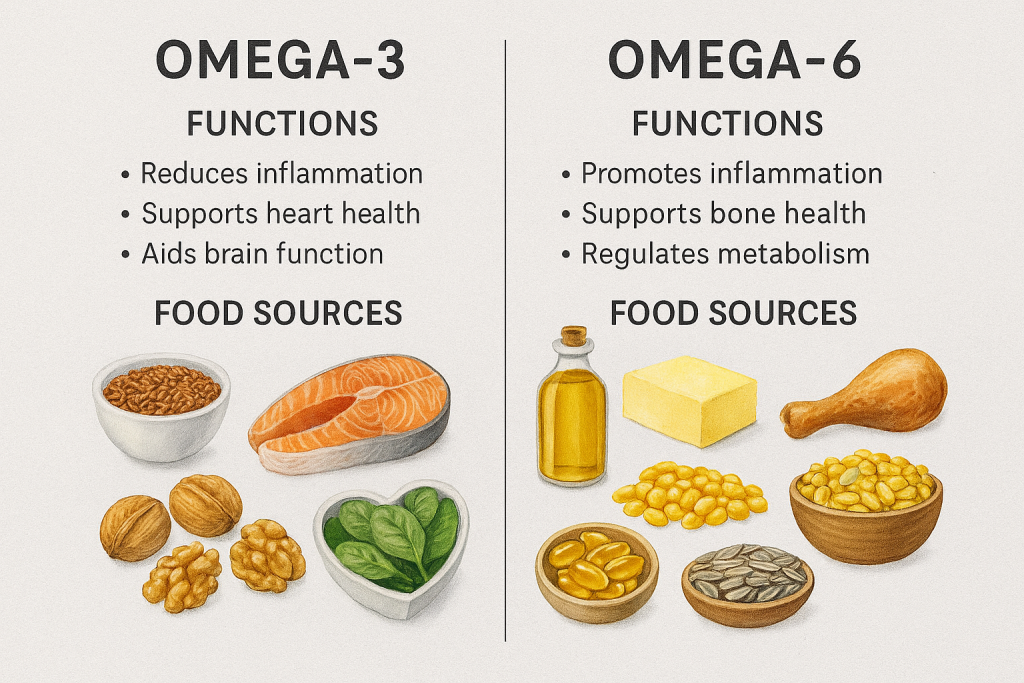
Many nutrition experts suggest aiming for a more balanced omega-6 to omega-3 ratio, often cited between about 4:1 and 1:1, to support overall health. However, many modern diets often have ratios that are heavily weighted toward omega-6, which may move the diet away from balance.
Many plant seeds and oils are high in omega-6 fats, and tahini is no exception. Sesame seeds are naturally high in polyunsaturated fats. Let’s take a closer look at what this means in everyday terms.
Does Tahini Contain Omega-3?
Yes, but in very small amounts. Sesame seeds and the tahini made from them contain mostly healthy unsaturated fats. Tahini contains mostly omega-6 fats and only small amounts of omega-3, which means it isn’t a significant source of omega-3 on its own.
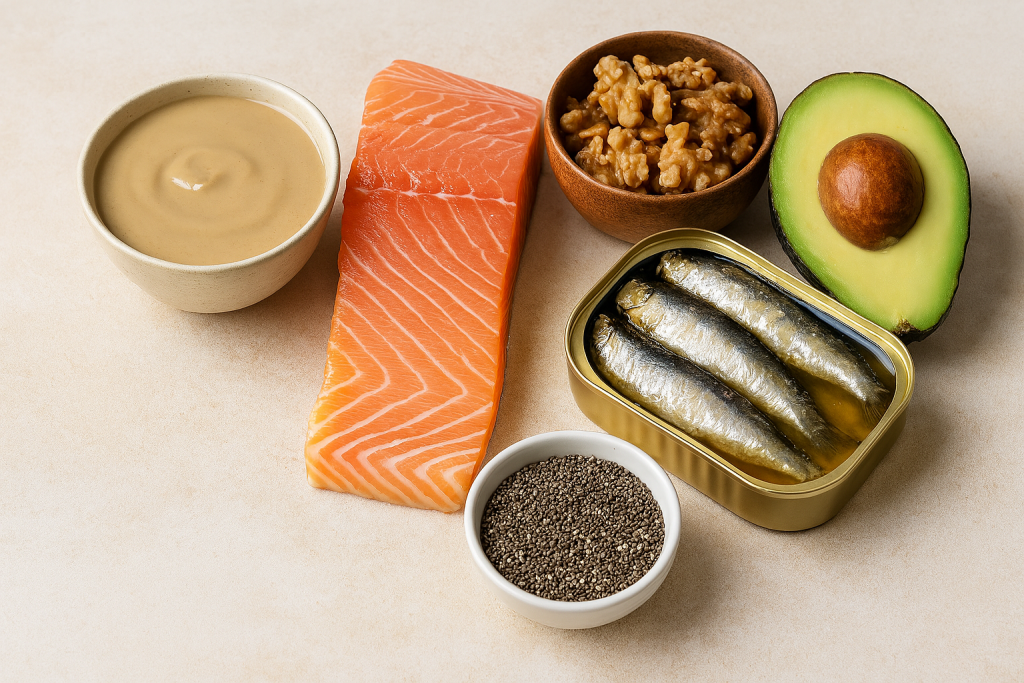
Some people claim that tahini is a rich source of omega-3s, but this is not supported by trusted nutrition sources. In reality, the omega-3 content in tahini is much lower. If you want to boost your omega-3 intake, it’s best to consider eating salmon, sardines, algae oil, flaxseed, chia seeds, walnuts, or hemp seeds instead.
Omega-3 vs Omega-6 Ratio in Tahini
Because tahini contains so little omega-3 relative to omega-6, eating large amounts can skew your fatty-acid ratio. For most people, the simplest approach is to focus on balance by including a variety of healthy fat sources in their diet. So moderation and balancing your diet with omega-3-rich foods is an important thing to keep in mind.
Here’s a snapshot of how sesame seeds stack up:
Serving (approx.) | Calories | Total fat | Omega-3 (ALA) | Omega-6 (LA) | Omega-6 & Omega-3 ratio |
Sesame seeds (1 tbsp / 9g) | 52 kcal | 4.5g | 0.034g | 1.924g | ≈ 57:1 |
Tahini (1 tbsp / 15g) | ≈ 89 kcal | 8g | ≈ 0.05g* | ≈ 3g* | ≈ 60:1 |
* Estimates based on scaling sesame seed values to a 15g serving; actual values vary by brand. These figures illustrate that tahini is rich in omega-6 and contains only very small amounts of omega-3. To keep your overall ratio in check, enjoy tahini alongside foods naturally high in omega-3.
Does Tahini Fit Into a Balanced Diet?
On its own, tahini is simply a natural seed paste. Like most foods that contain healthy fats, it works best when enjoyed in moderation as part of a varied, balanced diet. Tahini also contains natural sesame compounds with antioxidant and anti-inflammatory properties. However, tahini is still much higher in omega-6 than omega-3, so it’s smart to balance it with omega-3-rich foods.
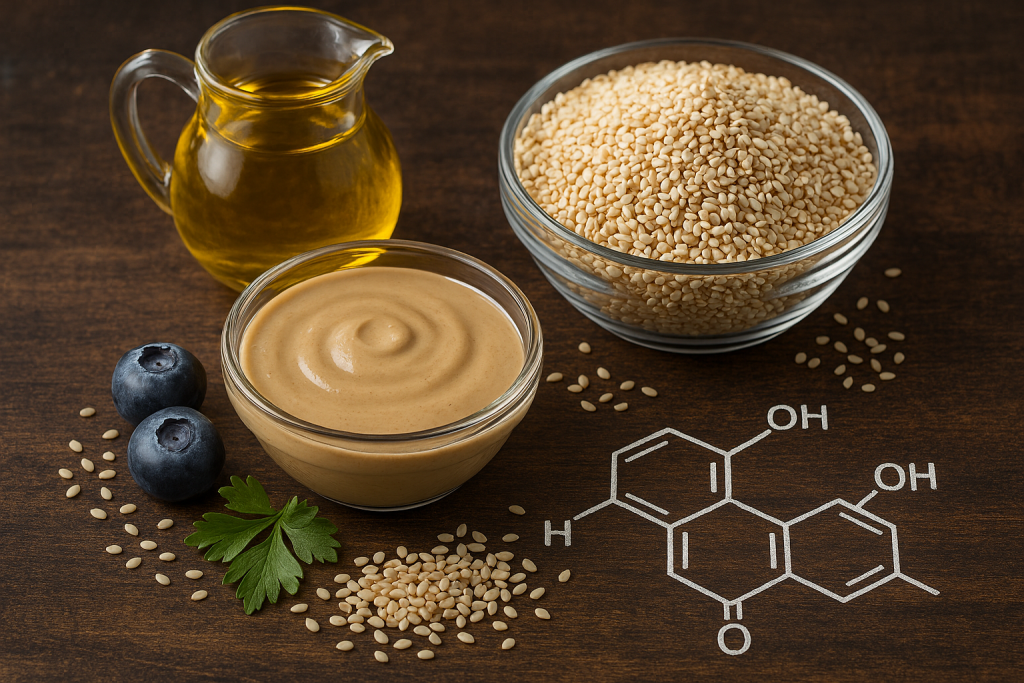
The key is moderation and balance. A tablespoon or two of tahini can fit into a Mediterranean-style diet, especially when paired with omega-3 foods.
How to Balance Tahini with Omega-3 Foods
To reap tahini’s nutty flavor and micronutrients without skewing your omega-6 intake, pair it with foods rich in omega-3s. Here are some ideas:
- Tahini-salmon bowl: Drizzle a tablespoon of tahini over grilled salmon with a bed of greens and quinoa. Salmon provides abundant omega-3 fats, helping create a more balanced fat profile for the meal.
- Chia-tahini smoothie: Blend almond milk, frozen berries, a tablespoon of tahini and a tablespoon of ground chia seeds. Chia seeds are among the richest plant sources of natural omega-3 fats. The smoothie’s fiber and protein will keep you satisfied.
- Walnut-tahini pesto: Combine walnuts (rich in omega-3), tahini, fresh herbs, garlic and lemon juice in a food processor. Use as a pasta sauce or sandwich spread.
- Hemp-seed hummus: Add hemp seeds to homemade hummus for extra ALA and complete protein. Serve with roasted vegetables or whole-grain crackers.
The key is to combine tahini with ingredients that naturally boost omega-3 intake, bringing your overall ratio into a healthier range.
Why Choose Mighty Sesame Tahini
Mighty Sesame Co. uses only one ingredient, roasted sesame seeds, to make its organic tahini, free from additives, preservatives, and added oils. Our tahini is made from carefully sourced, high-quality Ethiopian sesame seeds, with a rich, smooth flavor. It’s vegan, gluten-free, dairy-free, kosher, and halal, and produced in a peanut- and tree-nut-free facility.
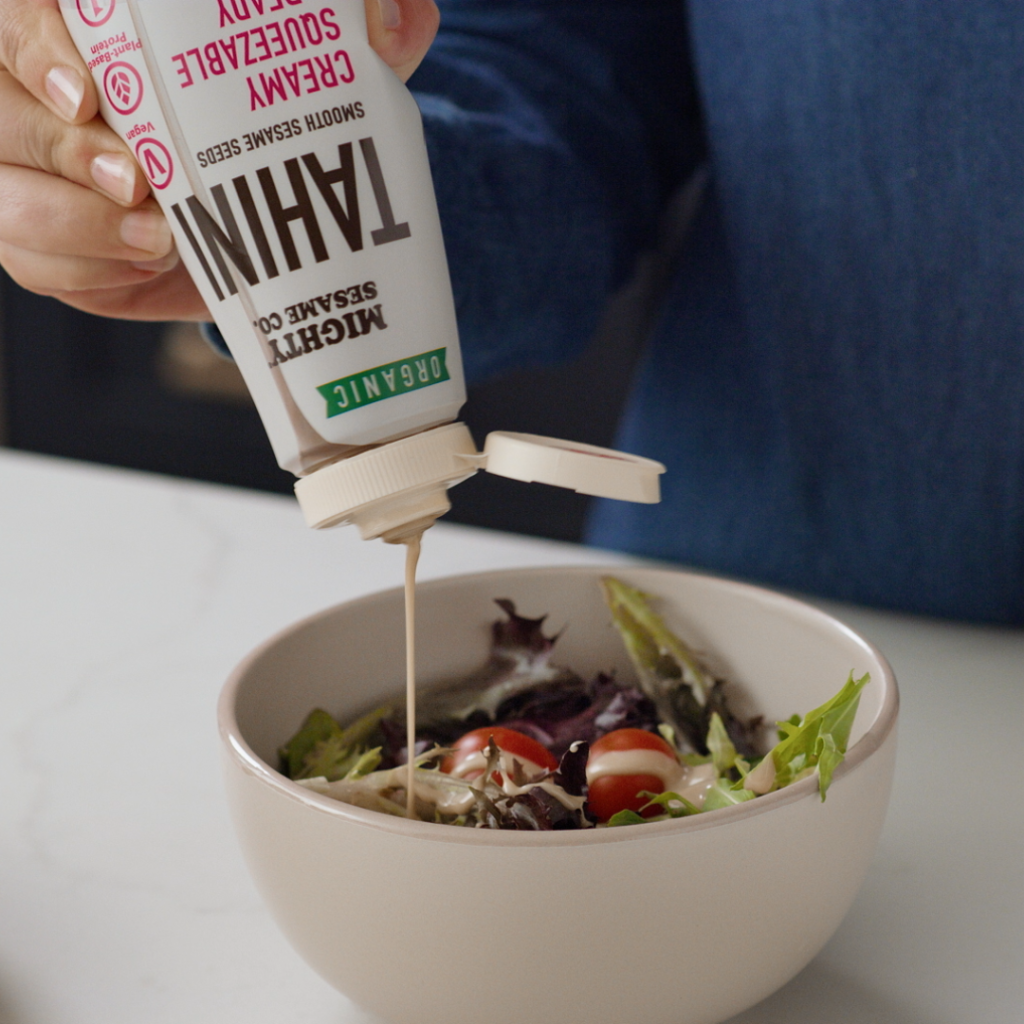
Ready to explore? Check out our full range of tahini products and find Mighty Sesame near you. We also have a library of recipe ideas that show how to pair tahini with omega-3-rich foods. |
Conclusion: Balance Is Everything
Tahini is a delicious way to add creaminess and plant-based nutrients to your meals. Its fats come mostly from omega-6 fatty acids, with only trace amounts of omega-3. Eating tahini in moderation won’t harm you, but there could be issues when your overall diet is heavy on omega-6-rich foods and light on omega-3s.
By pairing tahini with omega-3-rich foods like fish, flax, chia, hemp, or walnuts, you can enjoy its nutty flavor while keeping your fatty acid balance in a healthy range. Choose single-ingredient brands like Mighty Sesame for superior flavor and a clean label. With awareness and balance, tahini can be part of a balanced, varied diet.
