Is Tahini Halal? A Guide to Ingredients and Certification
Tahini is a paste made from sesame seeds with a creamy, nutty flavor. It has become a pantry staple in many Middle Eastern dishes and modern recipes, from hummus to salad dressings and desserts.
As tahini becomes more popular in kitchens around the world, a common question comes up: Is tahini halal? This matters not only to Muslim consumers, but also to many people who value transparency, ethical sourcing, and high food-quality standards.
In this guide, we’ll explore the ingredients, how tahini is made, and why halal certification matters so you can make informed, confident choices.
Understanding Halal and Plant-Based Products
Halal means “permissible” in Arabic and refers to foods and practices that follow Islamic law. This includes how animals are slaughtered and whether ingredients have come into contact with prohibited substances like pork or alcohol.
The Halal Food Council USA says that halal principles apply to all food and drink products, not just meat. A halal product must meet strict standards for ingredient sourcing, processing, storage, and handling to avoid contact with non-halal substances.
Some people think that plant-based automatically means halal, but this isn’t always true. The Halal Food Council also notes that additives, flavorings, or stabilizers from non-halal sources can make a plant-based product non-halal. Cross-contamination in facilities that process both halal and non-halal ingredients is also a risk.
For a plant-based product to be halal, it should:
- Use only halal ingredients, with no alcohol or non-halal animal products
- Be produced in a facility that follows halal protocols to prevent cross-contamination
- Maintain proper production records
- Display a recognized halal certification symbol
These requirements ensure that Muslim consumers can trust the product and that non-Muslims feel confident choosing carefully produced foods.
What Is Pure Tahini?
Tahini is traditionally made by toasting and grinding sesame seeds into a smooth paste. High-quality products, like Mighty Sesame tahini, are made from 100% sesame seeds, with no added colorings, fillers, or preservatives. The resulting paste is cream-colored and has a velvety texture.
Since sesame seeds are plant-based, plain tahini is naturally free from animal products, alcohol, and other non-permissible ingredients. Pure tahini may meet halal requirements when it is produced and handled according to certified halal standards.
Watch for Cross-Contamination
Even though tahini is plant-based, the process of how it’s made matters. The Halal Food Council notes that cross-contamination can happen when plant-based foods are processed in facilities that handle non-halal ingredients. Reputable brands use separate lines or strict cleaning protocols and get third-party certification.
Look for a halal certification logo and check whether the manufacturer is certified by recognized certification bodies, such as HMA, IFANCA, or Halal Food Council USA.
What About Tahini Sauce? Is it Halal?
Tahini sauce usually mixes tahini with lemon juice, garlic, salt, and sometimes vinegar or spices. These ingredients are generally halal, but the same rules apply: check the ingredient list and look for a halal certification logo.
Some brands might add preservatives or vinegars derived from alcohol. If the product doesn’t have a clear halal symbol, contact the manufacturer or choose a certified alternative.
Why Halal Certification Matters
Official halal certification ensures that a product meets Islamic dietary requirements and is free from cross-contamination.

The Halal Monitoring Authority (HMA) explains that the halal logo tells Muslim consumers that the food is made according to Islamic requirements, while non-Muslim consumers often view halal-labeled foods as carefully produced and held to high standards for quality and transparency.
HMA notes that many consumers appreciate halal labeling because it helps them quickly find suitable foods. Businesses that get halal certification also gain export potential and a competitive edge.
How to Check If Your Tahini Is Halal
- Read the Ingredients: Pure tahini should list only sesame seeds. If other ingredients are included, make sure they’re plant-based and free from alcohol or non-halal animal products.
- Look for Certification: Check for a recognized halal certification logo.
- Consider the Facility: Ask or research if the manufacturer processes other products in the same facility. Cross-contamination with non-halal ingredients can make an otherwise permissible product non-halal.
- Contact the Brand: When in doubt, reach out to the brand for clarification. Many companies have customer service lines or email addresses to answer questions about halal compliance.
Mighty Sesame Tahini: Halal-Certified and Transparent
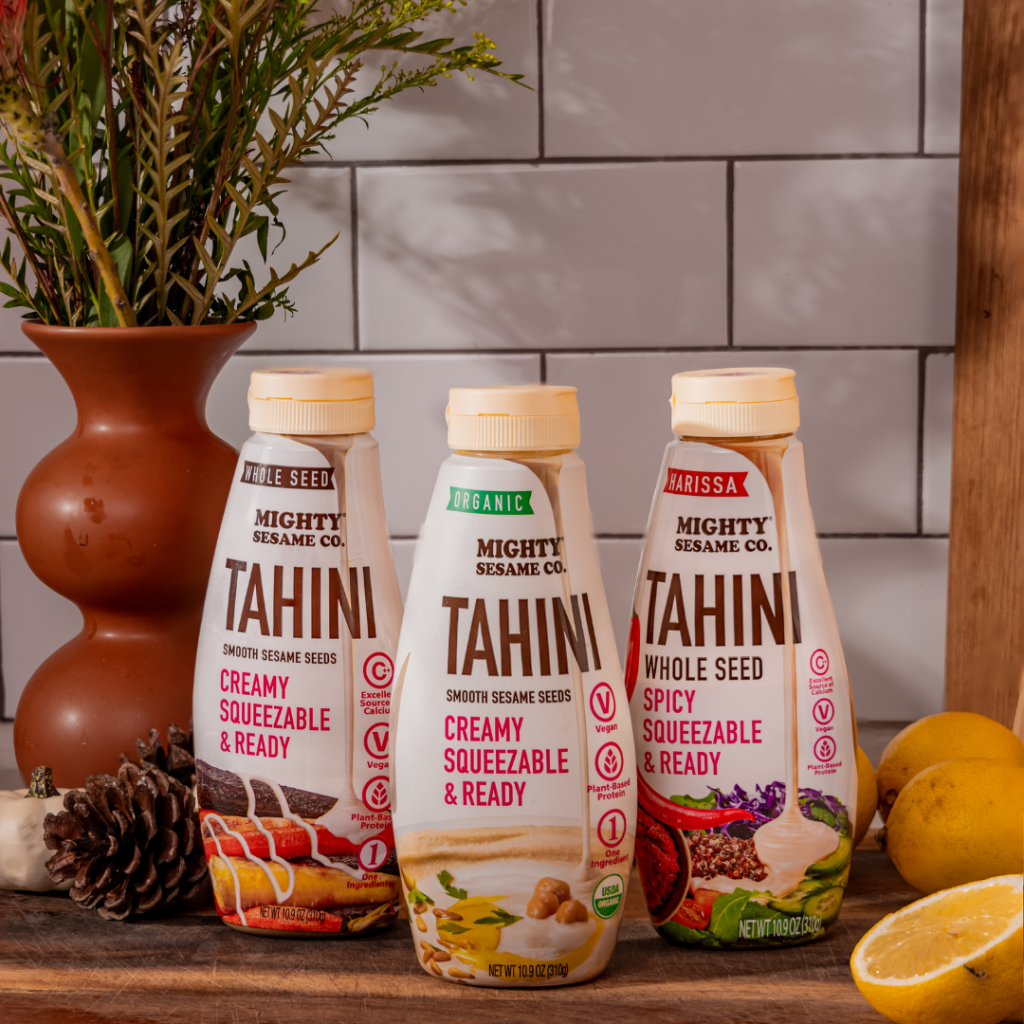
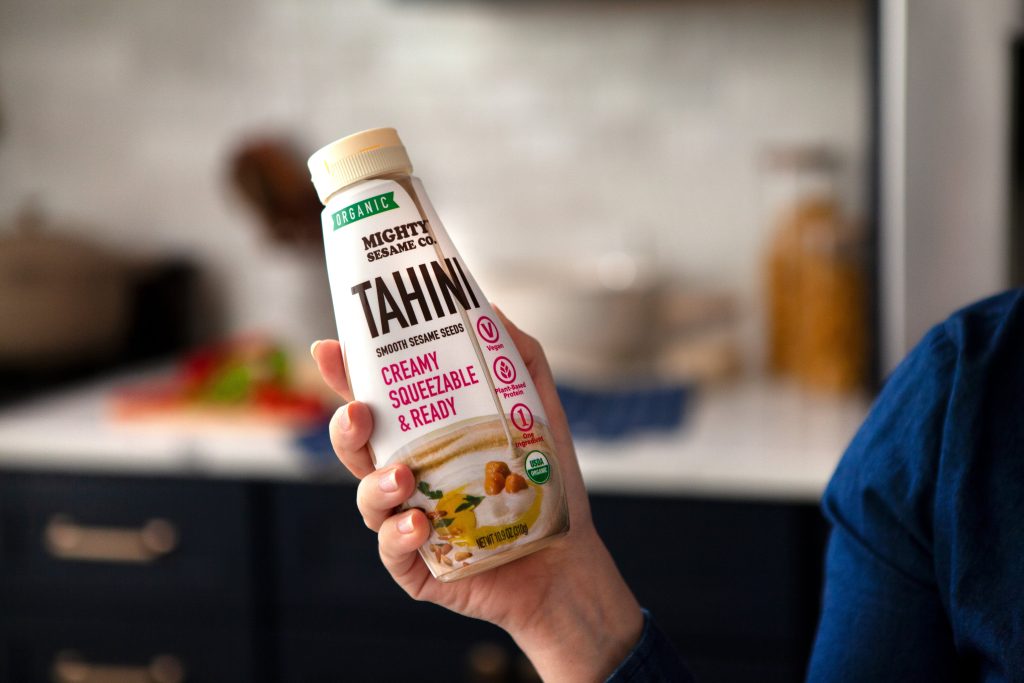
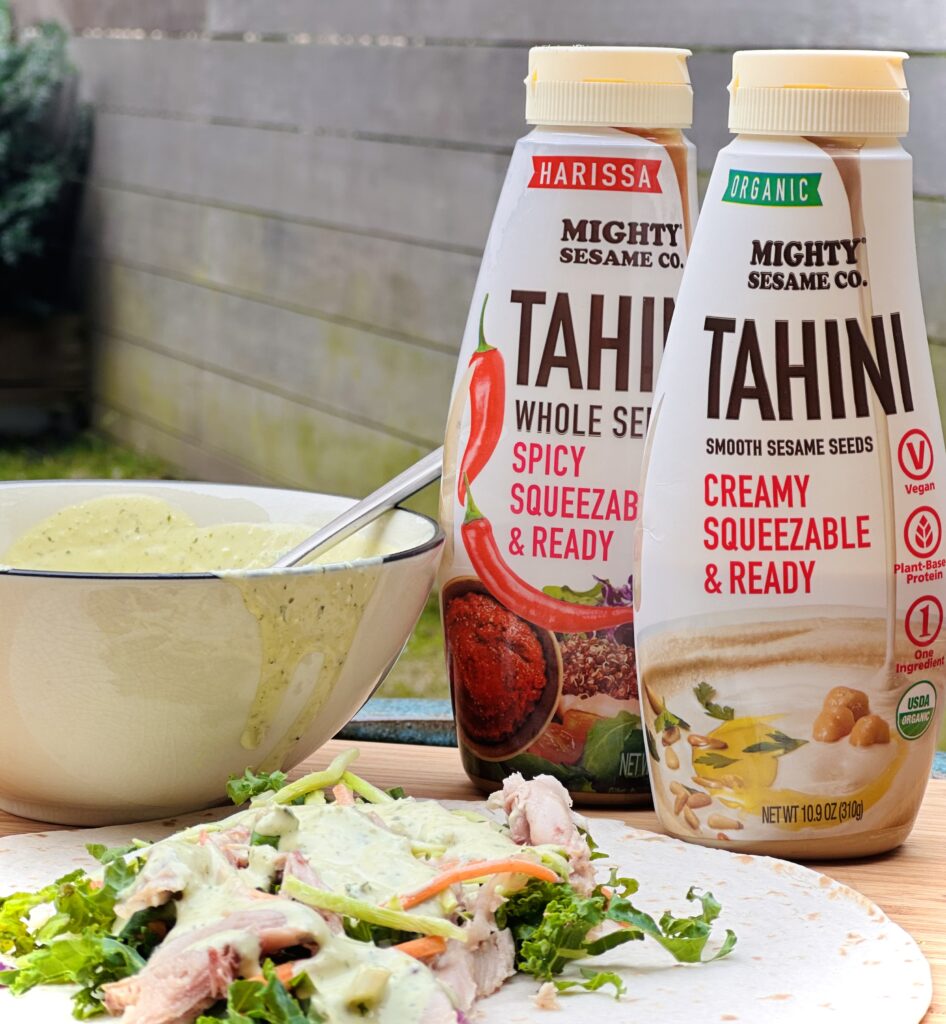
At Mighty Sesame Co., we understand the importance of trust when choosing food products, especially for those seeking halal options. All our tahini products, including our convenient squeeze bottles and classic tubs, are made from 100% sesame seeds – no fillers, additives, or preservatives.
We work with facilities that follow strict protocols to prevent cross-contamination with non-halal ingredients, and we maintain clear production records to support compliance. Our packaging displays a halal certification logo and a clear ingredient list, so Muslim and non-Muslim consumers can verify our commitment at a glance.
More Than Halal: Inclusive and Versatile
Mighty Sesame Tahini is also vegan, gluten-free, kosher, and non-GMO, making it suitable for a wide range of dietary needs. Our products come in an easy-to-use squeeze bottle, eliminating the need to stir or scoop thick paste. Whether you’re drizzling it over falafel, blending it into smoothies, or stirring it into brownies, our tahini adds rich flavor and versatility to sweet and savory dishes.
Since it’s made from sesame seeds, which are naturally rich in plant protein, healthy fats, and minerals, our tahini offers the simple, plant-based qualities many consumers look for when choosing halal foods.
Bottom Line
Tahini is a simple paste made from sesame seeds, and pure tahini may be suitable for halal diets when it’s produced and handled according to certified halal standards. However, not all tahini products or sauces are created equal. The halal status depends on the ingredients used, the manufacturing practices, and whether there’s proper certification.
By reading ingredient lists, looking for recognized halal certification logos, and choosing brands that clearly display halal certification, such as Mighty Sesame, you can enjoy tahini with confidence – whether you’re seeking halal-certified foods for religious reasons or choosing products that align with your values around quality and ethical sourcing.
At Mighty Sesame Co., we proudly label our tahini products as halal to support our diverse community of customers. Our commitment to transparency, quality, and inclusivity means you can trust the product in your kitchen.
So go ahead – drizzle, dip, and savor our tahini, knowing it aligns with your values.
