Is Tahini Expensive? Let’s Break Down the Facts
Ever picked up a jar of tahini and wondered, “Why does this cost more than peanut butter?” If you’ve asked yourself why tahini is expensive, you’re not alone.
From hummus lovers to health-conscious foodies, many shoppers are surprised by tahini’s price tag. But once you understand what goes into every jar, from global seed sourcing to roasting, grinding, and packaging, it all starts to make sense.
In this article, we’ll break down the real cost factors, explain why tahini is so expensive, and show you how Mighty Sesame delivers quality and value without cutting corners.
Key Takeaways: Is Tahini Expensive?
- Tahini prices reflect global supply, sesame quality, and processing methods.
- Premium seeds (like Ethiopian white sesame) increase cost but improve quality.
- Mighty Sesame offers high-end tahini at fair, competitive prices.
- Smart packaging and no additives keep our products affordable and pure.
Global Market Factors That Drive Up Tahini Costs
Sesame Seed Supply and Weather Impacts
Let’s start with the sesame seeds themselves. These tiny seeds are tahini’s only ingredient, and they’re not your average pantry staple. Most sesame used for tahini comes from specific regions like Ethiopia, Sudan, or India. These areas are prone to weather disruptions, which directly affect seed yield and price. For example, droughts or floods in key growing regions reduce the global supply of sesame, causing prices to spike.
Global Demand and Dietary Trends
Then there’s the issue of demand. As more people around the world embrace plant-based diets, the demand for tahini and sesame seeds has skyrocketed. In global commodity markets, this demand pressure adds to the cost, meaning shoppers end up paying more at checkout. If you’re asking why tahini is expensive, it’s partly due to these supply and demand swings.
Trade, Inflation, and Transportation Costs
Transportation and trade also play a role. Sesame seeds are often imported long distances, which adds to the cost. Fuel prices, container shortages, and inflation all make shipping more expensive. And unlike flour or sugar, sesame seeds aren’t mass-produced at an industrial scale, so they don’t benefit from the same economies of scale.
Why Ingredient Quality Impacts the Final Price
Beyond the global supply chain, tahini’s price depends heavily on the type and quality of sesame seeds used. High-end tahini brands often choose Ethiopian sesame seeds for its rich flavor and creamy texture.
These seeds cost more than generic varieties, but the flavor payoff is huge. If you’ve ever wondered why tahini is so expensive, this is a major reason: quality ingredients cost more.
And it’s not just the seeds; it’s how they’re treated. Some brands use hulled seeds yielding milder, smoother tahini, while others use whole seeds which may carry more of the seed’s natural fiber and stronger character.
At Mighty Sesame, we use roasted, peeled sesame seeds and a proprietary milling method to create 100% pure tahini. That purity matters. No added oils, no filler ingredients; just high-quality sesame. And yet, our pricing stays well within a consumer-friendly range. So next time someone asks why tahini is expensive, consider what’s behind that price tag.
Processing, Packaging, and the Cost of Convenience
Let’s talk about what happens after the seeds are sourced. Tahini production involves careful roasting, grinding, and sometimes cold-pressing.
This requires heavy-duty equipment and trained operators to get the consistency just right. Some small-batch producers even monitor each batch by hand, which adds to labor costs.
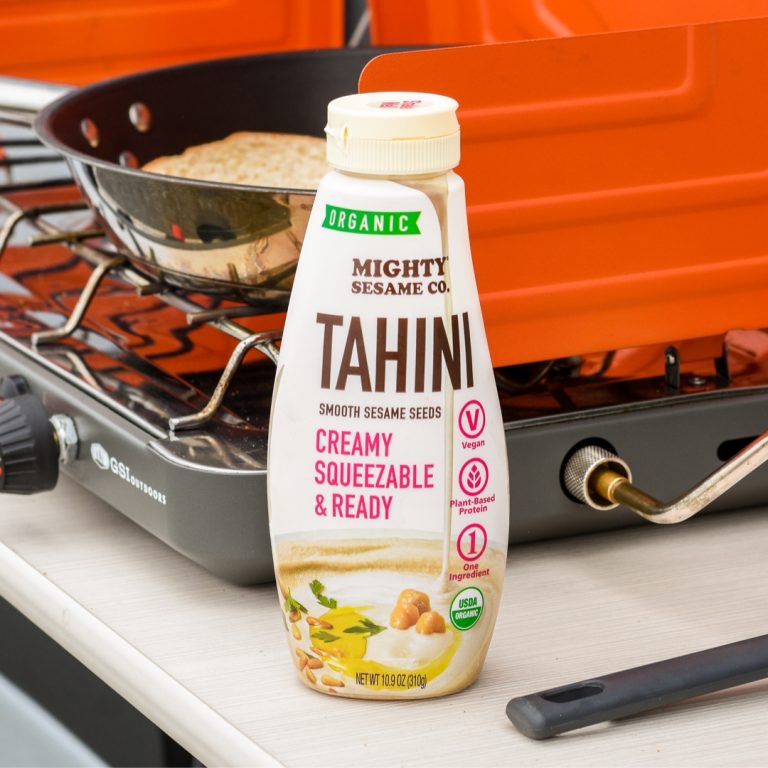
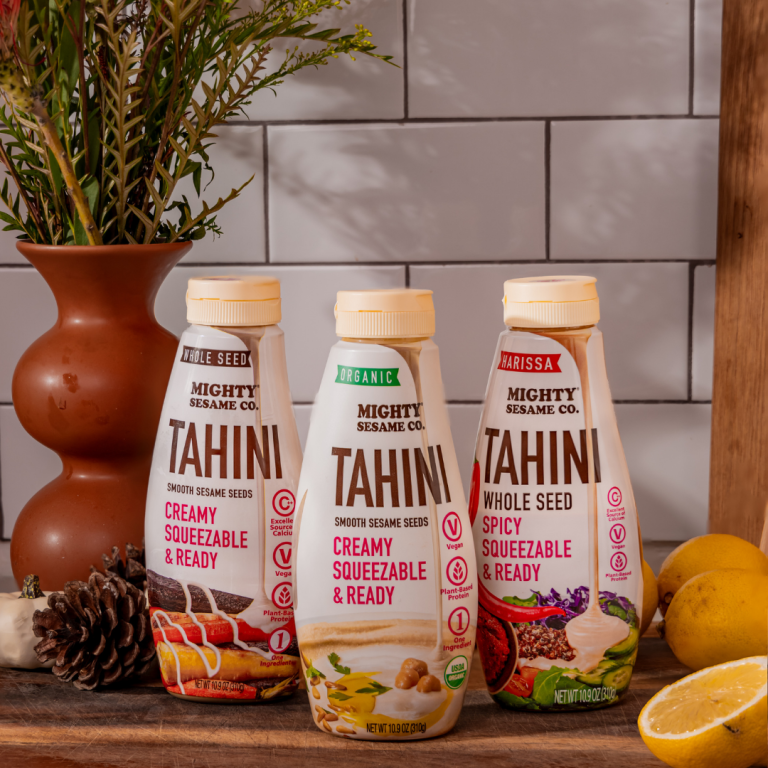
Then there’s the packaging. Many tahinis come in glass jars, which are heavier and more expensive to produce and ship. Mighty Sesame chose a squeeze bottle instead—lighter, safer, and easier to use.
This smart packaging helps reduce waste and shipping costs, and adds everyday convenience for our customers.
Finally, labeling and certifications like organic, non-GMO, or kosher come with added fees. These are valuable for consumers but add to the final shelf price. Still wondering why tahini is so expensive? Packaging and compliance costs are a key reason.
Comparing Tahini Prices: What’s Fair?
Tahini prices can vary widely depending on the brand, origin, and packaging. Based on current Amazon listings, most 10-16 oz jars range from around $10–$33 USD. Premium organic or imported tahini often sits at the higher end of that range, especially if packaged in glass or offered as part of a bulk pack.
Mighty Sesame’s 10.9 oz Organic Tahini, by contrast, regularly appears around $7 USD a bottle, offering a strong value for a USDA Organic, non-GMO, gluten-free product in a convenient squeeze bottle.
So, is tahini expensive? It depends on your perspective. While it may cost more than peanut butter, tahini is an oil-free, nutrient-dense, plant-based spread made from imported sesame. In that context, it’s not just reasonable; it’s smart shopping.
Note: All prices are approximate and based on Amazon listings at the time of writing. Product availability, promotions, or delivery location may affect final pricing.
Final Thoughts: Value Comes with Quality
Tahini isn’t overpriced—it’s thoughtfully priced. From weather-sensitive sesame crops to traditional roasting and grinding, a lot goes into a creamy jar. Understanding why tahini is so expensive makes it easier to appreciate what you’re paying for.
And with Mighty Sesame, you don’t have to choose between quality and affordability. We keep our pricing clear, our ingredients clean, and our product convenient—so you can enjoy tahini every day without overspending.
Find Mighty Sesame near you with our Store Locator or Shop on Amazon.
