Can You Heat Tahini? Tips on How to Soften Thick Tahini
If you open a jar of tahini and find it thicker than expected instead of smooth sesame paste, don’t throw it away. Thick or separated tahini can usually be brought back to life, so you probably don’t need to restock too quickly.
In this guide, you’ll learn why tahini thickens, whether it’s safe to heat it, and a few simple ways to soften it.
Why Does Tahini Become Thick?
Tahini is often made from only ground sesame seeds. Most high-quality jars don’t include stabilizers, so the natural oil slowly separates and rises to the top. And over time, the paste underneath can compact and dry out.
When that happens, you’re left with a hard, dry paste on the bottom and a thick film of oil on the top. Stirring it right in the jar can be messy and frustrating, which is why tahini sometimes gets pushed to the back of the pantry.
Why is My Tahini So Thick? 5 Expert Answers
Can Tahini Be Heated?
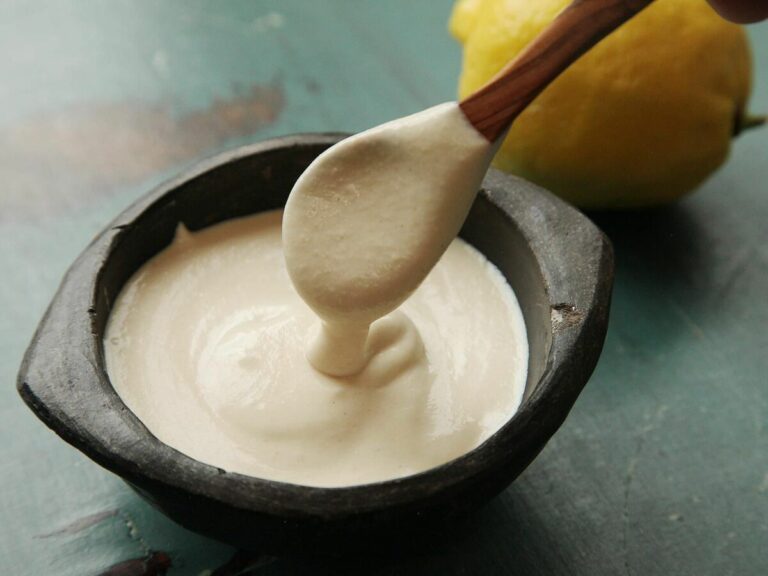
Yes, gently warming tahini can help loosen hardened paste. Tahini often thickens in the refrigerator, which can make it harder to work with than room-temperature tahini. Storing tahini in the pantry typically keeps it more pourable.
If you want a more pourable texture, avoid chilling it or warming it slightly before using. Just avoid direct high heat or prolonged cooking to prevent it from burning or causing the oil to separate too much.
6 Methods on How to Soften Thick Tahini
1. Warm Water Bath
Place the closed container in warm water – Fill a bowl with warm (not boiling) water and submerge the tahini container just below the lid. Leave it there for 10–15 minutes. The gentle heat can soften the hardened tahini paste without the risk of burning.
Stir thoroughly – After soaking, open the jar and stir vigorously with a spoon or spatula to reincorporate the oil. Stirring in the jar often splashes oil, and warming it first makes the tahini easier to blend.
Tip: If you keep your tahini in the refrigerator for a thicker, spreadable texture, let it sit at room temperature or soak the jar in warm water before scooping so it softens a little.
2. Microwave (Short Bursts Only)
Transfer to a microwave-safe bowl – Never heat tahini in a sealed glass jar in the microwave, because pressure can build up.
Heat in short intervals – Microwave on low power (30 percent) for 10–15 seconds at a time, stirring between intervals. Stop as soon as it loosens, because overheating can scorch the oil.
Whisk and incorporate – Once tahini has softened, whisk until smooth and pour it back into the original jar.
3. Blender or Food Processor
- A mini food processor or blender can quickly turn gritty tahini into a smoother, creamier texture. Try emptying the jar into a mini food processor and processing until the paste is smooth, then pouring it back into a clean jar.
- This method works well if you do not want to stir by hand, and it also helps avoid splashing while evenly incorporating the separated oil.
4. Add Neutral Oil
- If your tahini still feels stiff after warming, stir in a small amount of neutral oil, such as avocado, grapeseed, or sesame oil. Start with ½ teaspoon per cup of tahini, mix well, and add more only if needed.
5. Whisk or Stir Vigorously
- Whisking by hand takes a little effort, but it can restore the texture without using any equipment. Scoop the hardened paste into a mixing bowl and whisk until smooth. Adding warm water or oil as you whisk can help the process move faster.
6. Prevent Future Thickening
Store at room temperature – Keeping tahini in the pantry gives it a thinner, easier-to-mix texture. If you prefer a thicker spread, refrigerate it. Just remember that it will need softening before use.
Keep jars upside down – After smoothing your tahini, pour it back into a clean jar and store it upside down. This can help keep the oil from separating as much over time.
Use clean, dry utensils – Moisture can shorten freshness, so always use clean, dry utensils.
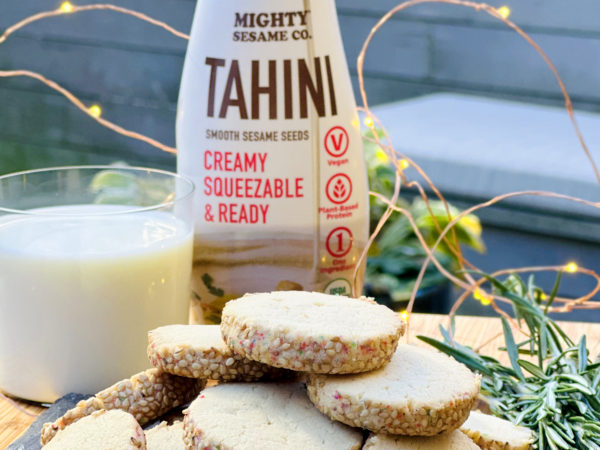
Try Mighty Sesame Organic Tahini Today!
Choose Mighty Sesame Organic Tahini for smooth, ready-to-use tahini in a squeeze bottle—no stirring, no mess.
Frequently Asked Questions
Can heating tahini reduce its nutritional value?
Heating tahini briefly to loosen it should not significantly affect its quality. Just avoid prolonged high heat, which can impact flavor over time, so it’s best to use gentle warming methods.
How should I store tahini after opening?
Store tahini in a cool, dark place, like your pantry, for a more pourable texture, or refrigerate it if you prefer it thicker. Always seal the lid tightly and use a clean, dry spoon (if you have tahini in a jar) to help keep it fresh after opening.
How can I tell if my tahini has gone bad?
If your tahini smells rancid, tastes sour, or shows visible mold, it’s best to discard it.
Is it safe to heat tahini sauce with water?
Once tahini is mixed with water, as in tahini sauce, it becomes perishable. Avoid reheating tahini sauce repeatedly, prepare only what you’ll use, and keep leftovers chilled.
What if my tahini is rock-hard at the bottom?
Don’t toss it. Follow the blender or food processor method, then pour the smoothed paste back into a clean jar and store it upside down.
Final Thoughts
Thick or separated tahini is a common annoyance, but it is usually easy to fix. By understanding why tahini thickens and using methods like gentle heating, vigorous whisking, blending, or adding a little oil, you can rescue your sesame paste and avoid waste. Focus on preventative storage by keeping it in the pantry for a more pourable texture, storing it upside down, and avoiding introducing moisture.
Following these tips will help make sure your tahini is ready to drizzle over salads, blend into hummus, or swirl into baked goods whenever you need it.
