Extra virgin olive oil (EVOO) is known for its fruity flavor and health benefits, but availability, price, and cooking needs can make it less practical for everyday use. Whether you’re cooking on a budget, need a neutral oil for high-heat recipes, or simply want to try something new, there are plenty of easy, flavorful alternatives.
This guide walks you through what to look for in a great substitute for extra virgin olive oil, then highlights ten versatile options starting with Mighty Sesame Tahini, our favorite plant-based alternative.
Quick Answer: What can you use to replace extra virgin olive oil?
A good olive oil is a finishing oil as much as a cooking fat. It lends peppery, grassy notes to salads and dips, but it also has a lower smoke point than many refined oils (around 350 °F). Exceeding an oil’s smoke point creates bitter flavors and destroys valuable nutrients.
Droughts and crop diseases may also drive olive oil prices to record highs. That’s why home cooks search for budget-friendly oils that can handle higher cooking temperatures without sacrificing flavor or health.
Criteria for Choosing a Substitute
When comparing oils, consider:
Smoke point – the temperature at which an oil starts to smoke. For stir-frying or roasting, you need a smoke point at or above 400 °F.
Fat composition – unsaturated fats (mono- and poly-unsaturated) help lower bad cholesterol and inflammation. Saturated fats like butter or coconut oil are tasty but should be used in moderation.
Flavor – some oils are neutral, others nutty or grassy. Match the flavor with your dish.
Top Substitutes for Extra Virgin Olive Oil
Mighty Sesame Tahini
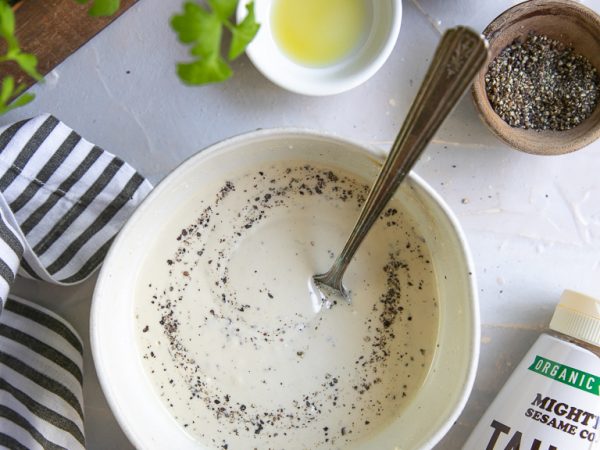
Mighty Sesame Tahini isn’t an oil at all – it’s a creamy paste made from finely ground sesame seeds. Because sesame seeds are rich in unsaturated fats and naturally occurring phytosterols, tahini may help support healthy cholesterol levels while providing beneficial antioxidants.
Unlike oil, it adds instant body and creaminess – making it perfect for quick dressings, dips, and sauces with no extra prep. Its naturally nutty flavor pairs beautifully with citrus, garlic, honey and herbs.
Here’s why tahini tops our list
Health benefits: Sesame seeds provide mostly monounsaturated and polyunsaturated fats. They also contain phytosterols, which may reduce LDL cholesterol.
Culinary versatility: Whisk tahini into vinaigrettes, marinades or hummus; spread on toast; or drizzle over roasted vegetables. It adds richness without the need for high-heat cooking.
Mighty Sesame quality: Mighty Sesame tahini is made from single-origin Ethiopian sesame seeds and packaged in a convenient squeeze bottle so it’s mess-free, quick, and always ready to use.
If your recipe calls for extra virgin olive oil in a dip, dressing or sauce, swap in Mighty Sesame Tahini for a nutrient-dense, plant-based alternative.
Sesame Oil
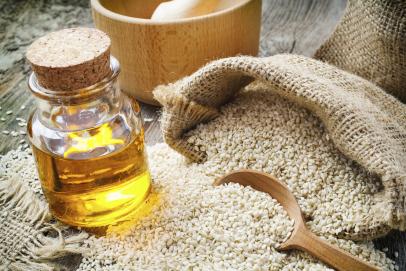
Plain (untoasted) sesame oil is extracted from raw sesame seeds and has a neutral flavor with a hint of nuttiness. It has a high smoking point, making it suitable for sautéing, stir-frying and roasting.
Toasted sesame oil is made from browned seeds and adds a deep, aromatic finish to dressings and drizzles.
How to use: Use light sesame oil as a 1-to-1 replacement for extra virgin olive oil in sautés, stir-fries or roasted vegetables. Save toasted sesame oil for finishing dishes or whisking into vinaigrettes. The flavor pairs well with Asian and Mediterranean cuisines, so don’t be afraid to try something new!
Walnut Oil
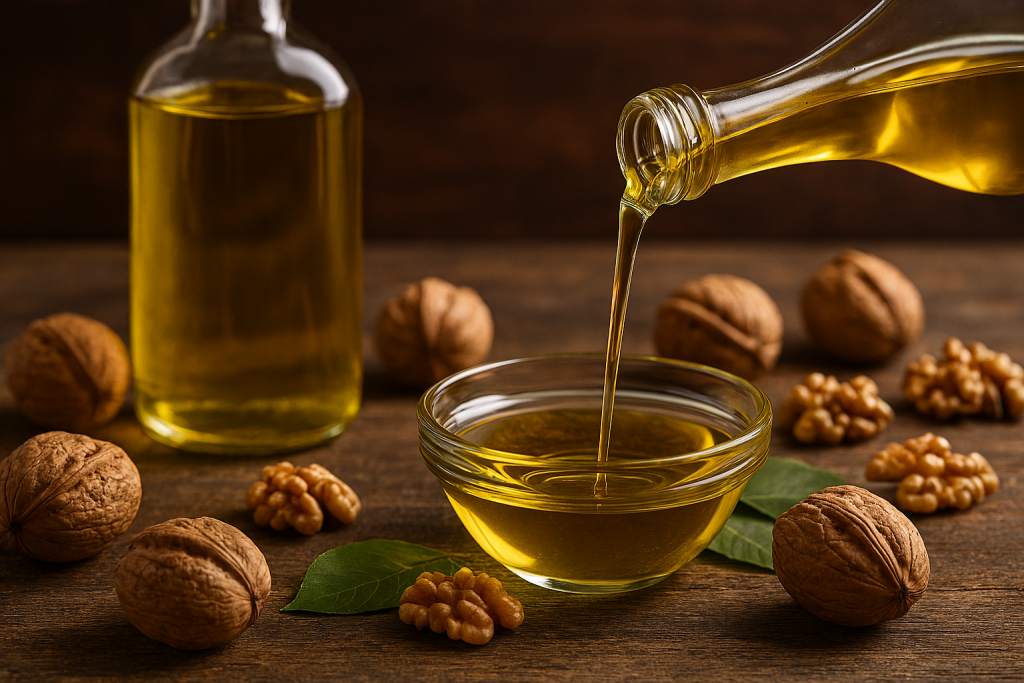
Walnut oil has a delicate nutty flavor and pale color. It’s ideal as a finishing oil, adding a subtle hint to salads or desserts. The smoke point is about 400 °F, so it’s not for high-heat searing but fine for gentle sautéing
How to use: Store walnut oil in a cool, dark place or refrigerate to extend its life. Drizzle it over steamed vegetables, goat cheese, or fruit-based desserts. In vinaigrettes, pair it with mild vinegar so the oil’s subtle flavor shines.
Avocado Oil
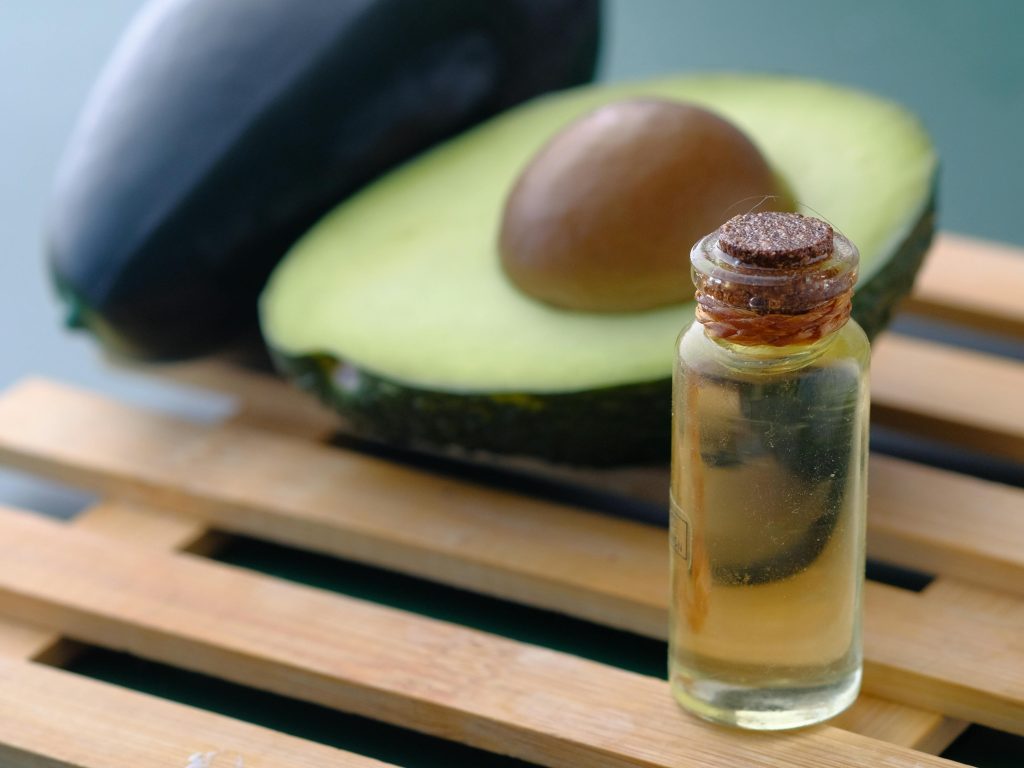
Avocado oil is available in two styles. Refined avocado oil has a high smoke point (~520 °F) and neutral taste. Virgin avocado oil is cold-pressed and offers nutty, buttery flavors. Both are rich in monounsaturated fats.
How to use: Use refined avocado oil for grilling, stir-frying or baking – it behaves like a general-purpose oil. Use virgin avocado oil in salad dressings or drizzle over eggs and delicate greens.
Canola (Rapeseed) Oil
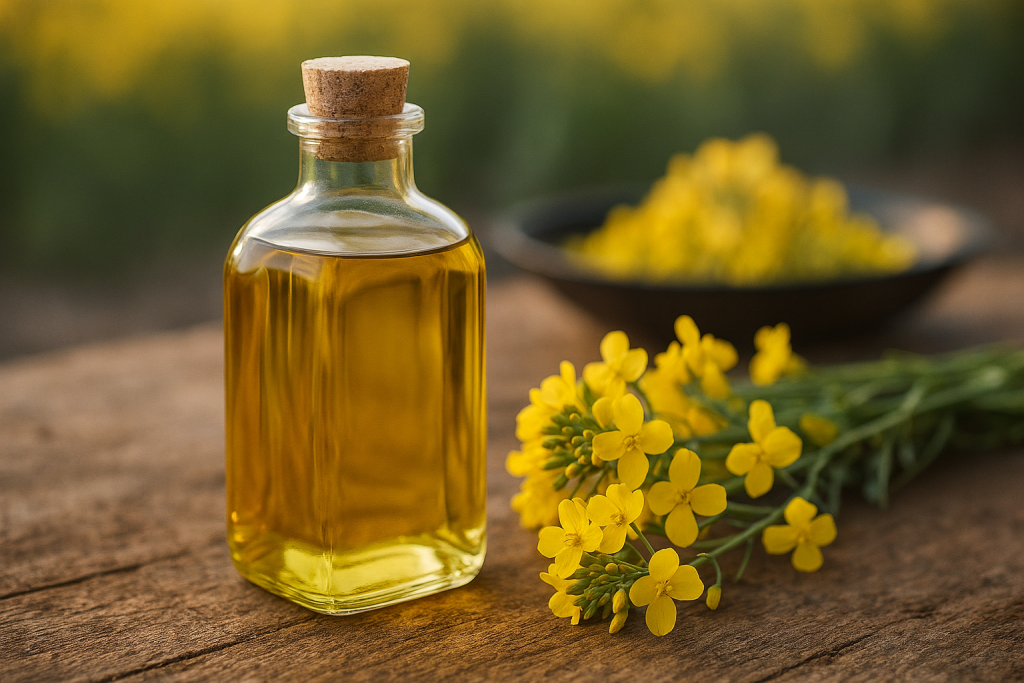
Avocado oil is available in two styles. Refined avocado oil has a high smoke point (~520 °F) and neutral taste. Virgin avocado oil is cold-pressed and offers nutty, buttery flavors. Both are rich in monounsaturated fats.
How to use: Use canola oil for frying, sautéing or baking. It also works in vinaigrettes and marinades when you don’t want the oil’s flavor to compete with herbs and spices. Cold-pressed canola oil has a “fishy” flavor some people dislike, but there are refined versions for general cooking.
Peanut Oil
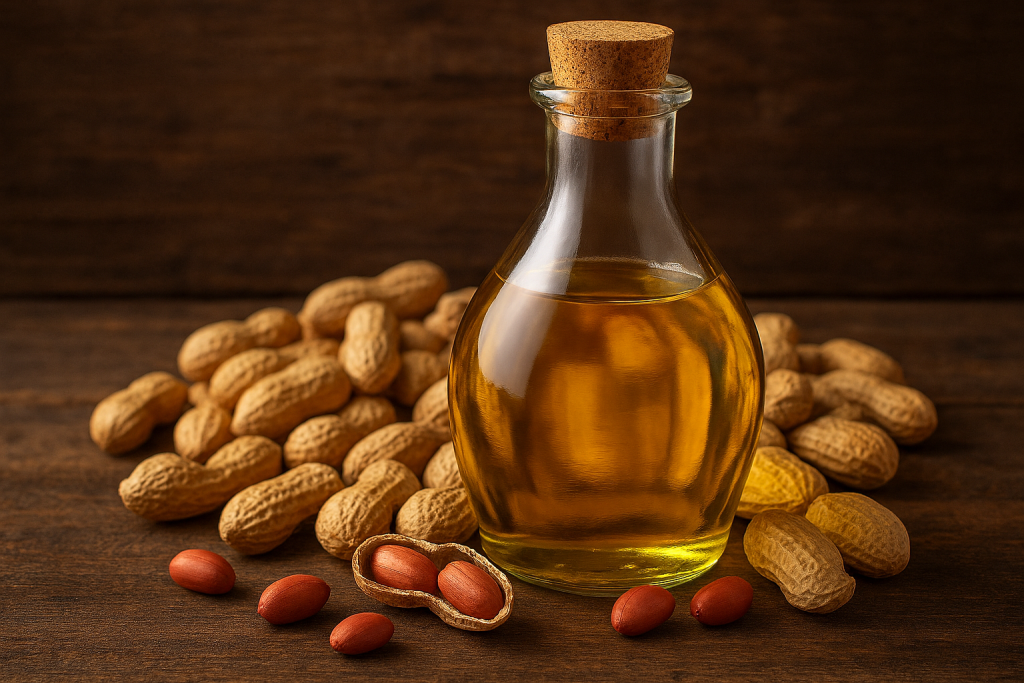
Peanut oil has a high smoke point and a mild, slightly nutty flavor. It contains mostly monounsaturated fat, which is associated with reduced risk of heart disease.
How to use: Peanut oil excels at high-heat cooking – think stir-fries, pan-searing, and deep frying. It’s a favorite for fried chicken and tempura. Use it in place of olive oil when you want crisp results without burnt flavors.
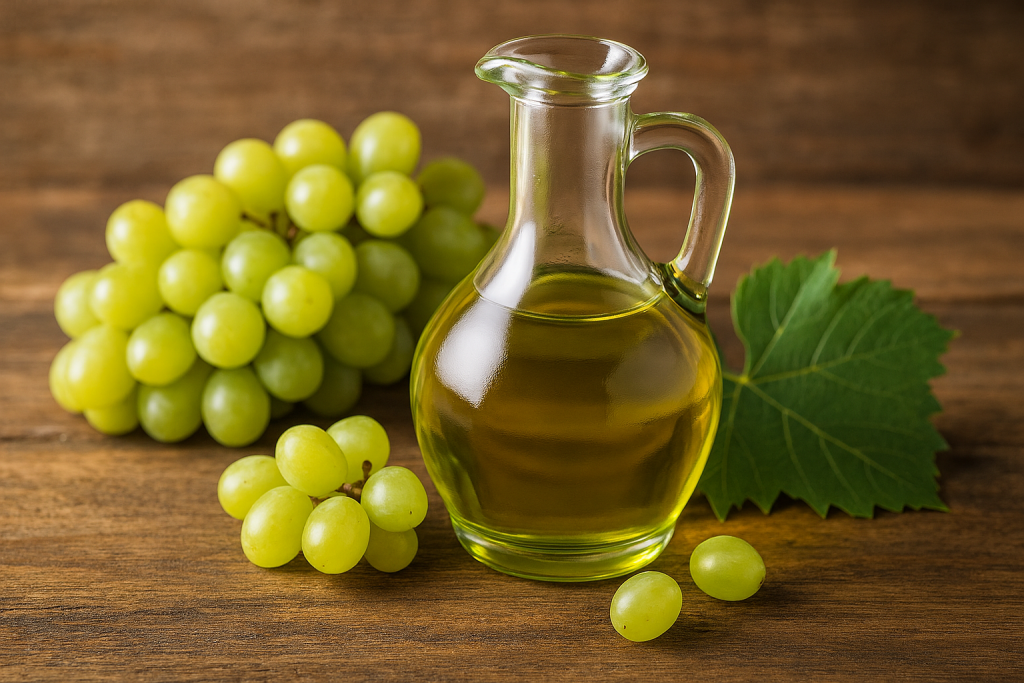
Grapeseed Oil
Grapeseed oil is extracted from wine grapes. It has a clean, neutral taste and high smoke point (392 °F), making it ideal for high-heat searing.
How to use: Substitute grapeseed oil for light olive oil when frying or searing meats and vegetables. It also makes a good base for vinaigrettes and baked goods where you want a neutral oil.
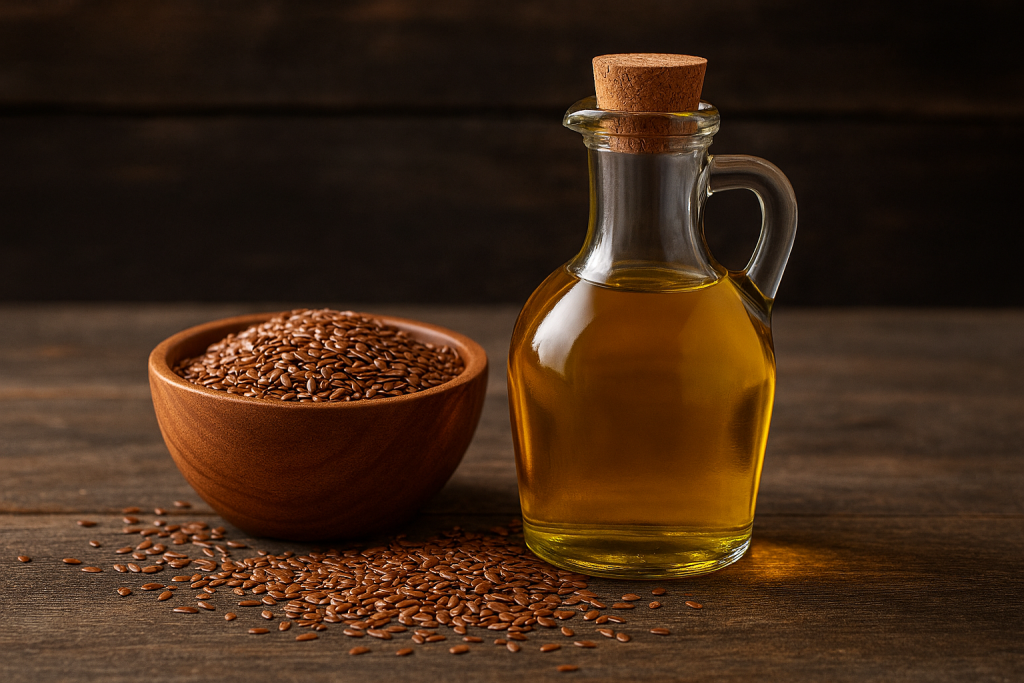
Flaxseed Oil
Flaxseed oil is rich in omega-3 fatty acids like alpha-linolenic acid. However, it has a low smoke point and should not be heated.
How to use: Use flaxseed oil in cold dishes – salad dressings, smoothies or drizzled over cooked grains. Store it in a cool, dark place to preserve its delicate nutrients.
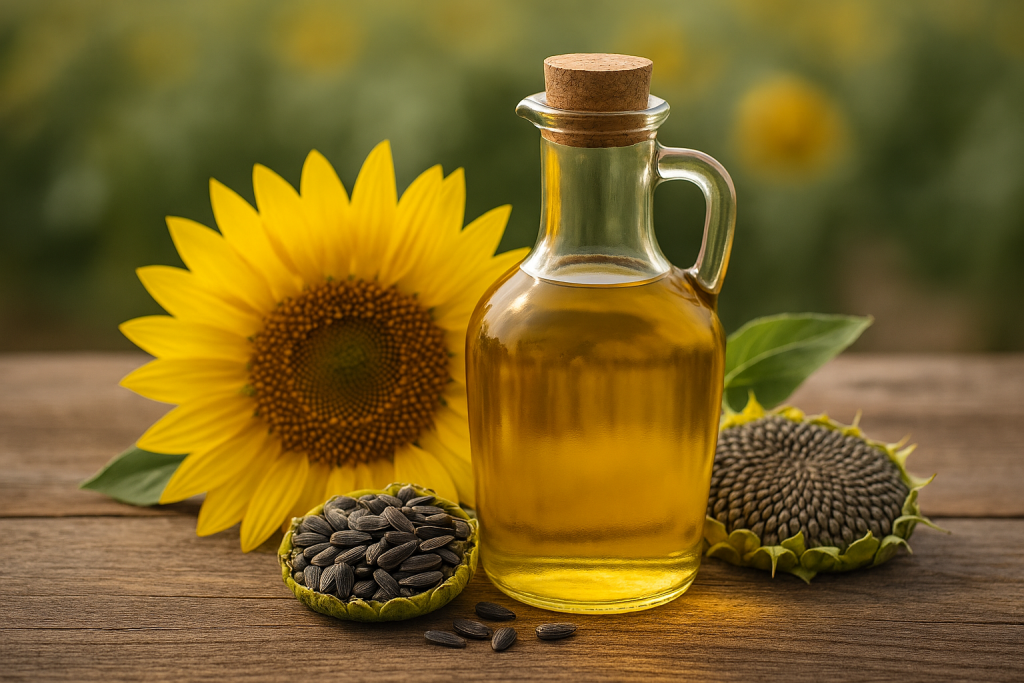
Sunflower Oil
Sunflower oil has a light, neutral flavor and a smoke point around 450 °F. It’s similar to safflower oil and works well for general-purpose cooking.
Refined sunflower oil works especially well as a replacement for light olive oil in frying, sautéing, and baking.
How to use: Use sunflower oil wherever you’d use light olive oil: roasting vegetables, frying potatoes, or blending into marinades. Cold-pressed sunflower oils have a nuttier flavor and make great finishing oils.
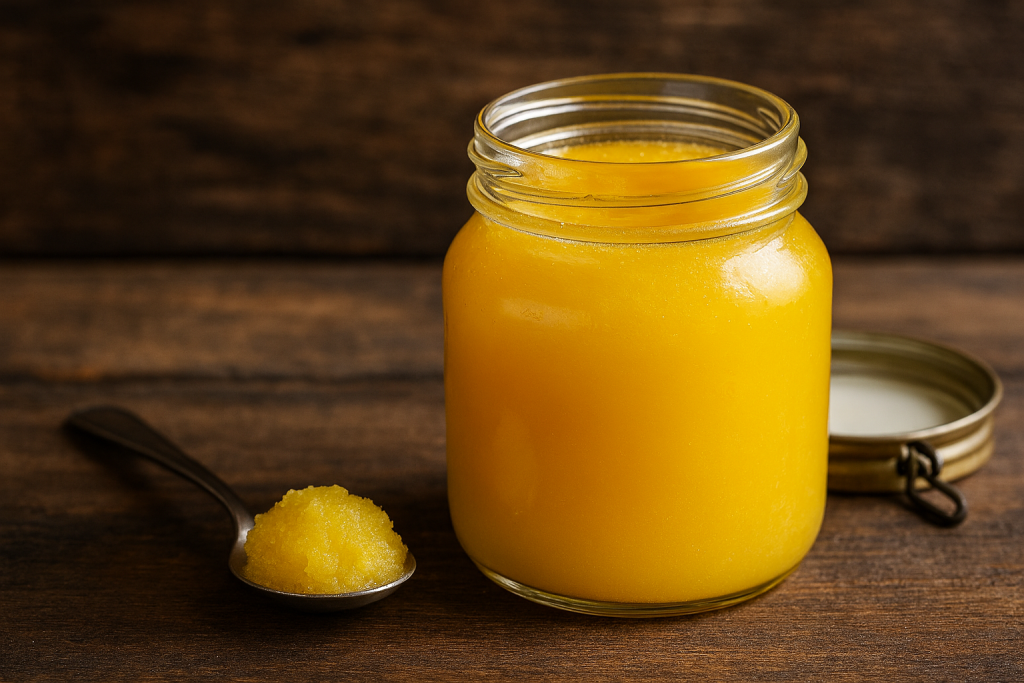
Ghee (Clarified Butter)
Ghee is clarified butter with the water and milk solids removed. This process raises its smoke point to somewhere between 375 and 485 °F, far higher than regular butter.
It delivers a rich, buttery flavor and is suitable for high-heat cooking.
How to use: Use ghee for sautéing, searing or even deep frying. It’s also delicious drizzled over vegetables or stirred into mashed potatoes. Because ghee is made from animal fat, use it in moderation and pair it with unsaturated fats for a balanced diet.
The Bottom Line
Extra virgin olive oil is special, but you don’t have to abandon your favorite recipes when it’s unavailable. By understanding smoke points, flavors and health profiles, you can confidently choose a substitute that suits your dish.
Whether you opt for the nutty richness of Mighty Sesame Tahini, the high-heat stability of ghee or the neutral versatility of canola oil, these ten alternatives for extra virgin olive oil will keep your cooking creative and delicious.