7 Best Sesame Oil Substitutes for Your Everyday Cooking
That toasty, nutty aroma sesame oil adds to a stir-fry or noodle bowl is tough to beat—but if you run out halfway through a recipe, it doesn’t have to derail your dish. In fact, there’s a good chance you already have something in your pantry that can step in and get the job done.
Below are seven sesame oil substitutes worth trying, starting withMighty Sesame Tahini, our top pick substitute for getting closest to that classic sesame flavor.
What Can I Use Instead of Sesame Oil? Check These Best Alternatives
Not all substitutes work the same way. Some replicate the flavor, others handle high heat, and a few can do both when used thoughtfully.
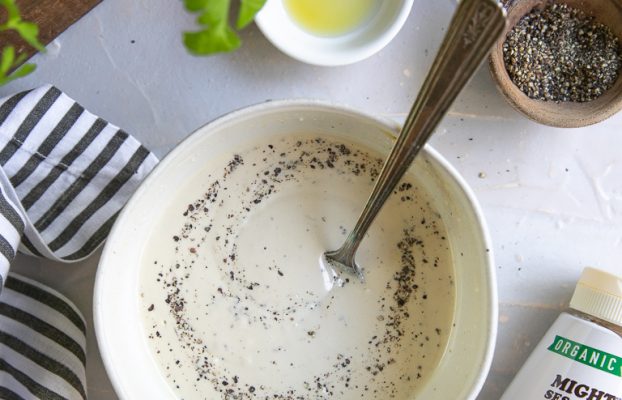
Tahini—essentially sesame paste—is made from ground sesame seeds, just like sesame oil. Because of that, it naturally carries the same rich, nutty taste. When thinned with a neutral oil like canola or grapeseed, it becomes smooth and pourable, making it a versatile stand-in for many recipes.
It also adds a bit of richness to your meals. A couple of tablespoons provide mostly healthy fats, along with nutrients from sesame seeds that fit well into a balanced diet.
How to use it: Mix equal parts tahini and a neutral oil for dressings or marinades. For sauces or drizzling, thin it with warm water or a squeeze of lemon juice. Since it’s a paste, it works best in low-heat cooking or as a finishing touch rather than for frying.Mighty Sesame’s tahini lineup makes it easy to squeeze, mix, and use.
Olive Oil
Olive oil doesn’t mimic sesame oil’s flavor, but its smooth, slightly fruity profile pairs well with many of the same dishes. It’s a reliable option when sesame flavor isn’t the main focus.
For higher-heat cooking, choose light or refined olive oil (around 420–470°F), while extra virgin olive oil is better suited for lower heat or finishing.
When to use it: Use olive oil in dressings, marinades, or light sautéing. If you still want a hint of sesame, stir in a little tahini or sprinkle on toasted sesame seeds.
Walnut Oil
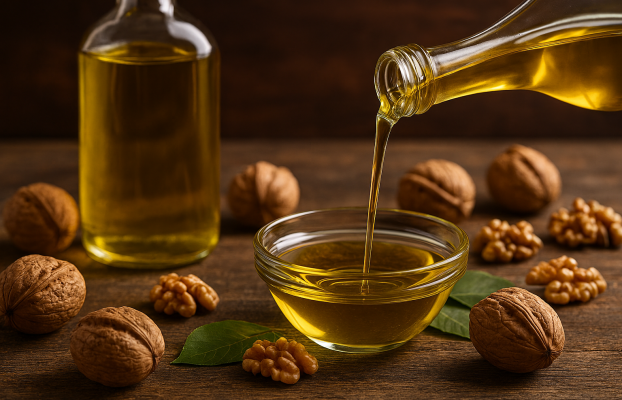
Walnut oil offers a gentle, nutty flavor that can stand in for sesame oil in certain dishes. However, its low smoke point (around 320°F) means it doesn’t tolerate heat well.
When to use it: It’s best reserved for salad dressings, dips, or drizzling over finished dishes. Since the flavor is milder, consider using a bit more or pairing it with sesame seeds or tahini for added depth.
Avocado Oil
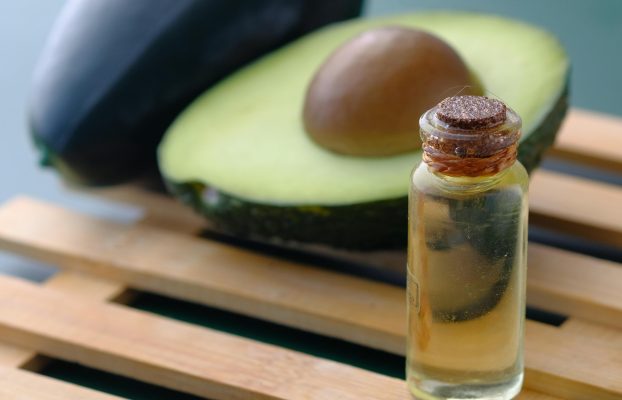
Avocado oil is a versatile, all-purpose option with a mild, buttery taste and a high smoke point (up to about 500–520°F). This makes it especially useful for high-heat cooking.
When to use it: Ideal for stir-frying, grilling, or roasting. While it won’t provide sesame flavor on its own, you can easily layer that in with tahini or sesame seeds.
Canola Oil
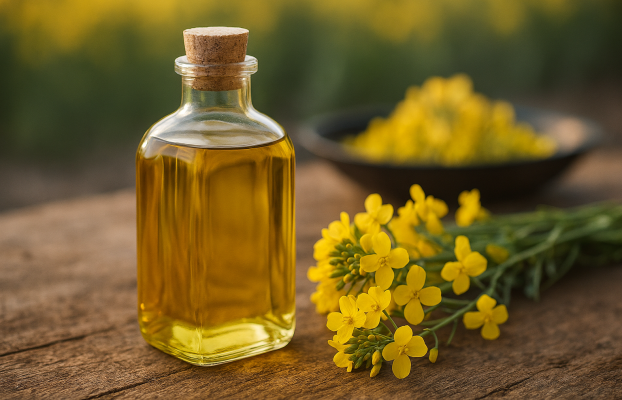
Canola oil is neutral, affordable, and widely available. It also performs well under heat, with a smoke point around 400°F.
When to use it: Use it for sautéing, frying, or baking. You can also turn it into a sesame-style oil by gently heating it with sesame seeds and straining them out, or by mixing it with tahini for added flavor.
Peanut Oil
Peanut oil brings a naturally nutty flavor along with a high smoke point (around 450°F), making it one of the closer matches for both taste and cooking performance.
When to use it: It works well in stir-fries, fried rice, and deep-frying. Just be mindful of peanut allergies. For an extra boost of sesame flavor, finish your dish with tahini or sesame seeds.
Grapeseed Oil
Grapeseed oil is light, neutral, and versatile, with a smoke point around 400–420°F.
When to use it: It’s a good choice for sautéing, roasting, or baking. To bring in more sesame flavor, pair it with tahini or toasted sesame seeds. For best quality, store it in a cool, dark place and use it within a few months.
Other Sesame Oil Substitutes Worth Trying
If none of the above are on hand, a couple more pantry staples can still work, depending on your recipe:
Sunflower oil has a neutral flavor and a high smoke point, making it a solid option for stir-fries.
Coconut oil adds a subtle sweetness and works best in baking or dishes where that flavor complements the ingredients.
Smart Tips for Using Sesame Oil Substitutes
To get the best results, keep these simple tips in mind:
Check the smoke point. For high-heat cooking like stir-frying, stick with oils above 400°F, such as avocado, peanut, or canola oil.
Add flavor when needed. Neutral oils can be easily enhanced with tahini or toasted sesame seeds.
Be mindful of allergies. Sesame and peanut allergies are common, so it’s always worth checking before serving.
Store oils properly. Keep them in a cool, dark place—especially more delicate ones like walnut or grapeseed oil.
Bottom Line: What Can Replace Sesame Oil?
While sesame oil has a distinct flavor, there are plenty of ways to work around it. For the closest match, tahini—especially when mixed with a neutral oil—is your best option.
Beyond that, oils like olive, avocado, walnut, and peanut each bring their own strengths, whether it’s handling heat or adding a touch of nuttiness. With the right substitute for sesame oil, you can keep cooking smoothly without missing a beat.