
7 Best Sesame Oil Substitutes for Cooking
Sesame oil is known for its toasty aroma and nutty depth. Whether you’re making a quick stir-fry, whisking up a salad dressing, or finishing a noodle bowl, a splash of sesame oil adds character to any dish.
But what happens when your bottle runs dry and you can’t make it to the store right away? Your pantry might be home to the best sesame oil substitute that can meet both flavor and heat performance.
Below are seven alternatives, starting with Mighty Sesame Tahini as our top pick, that let you keep on cooking without missing a beat.
What Can I Use Instead of Sesame Oil? Check These Swaps
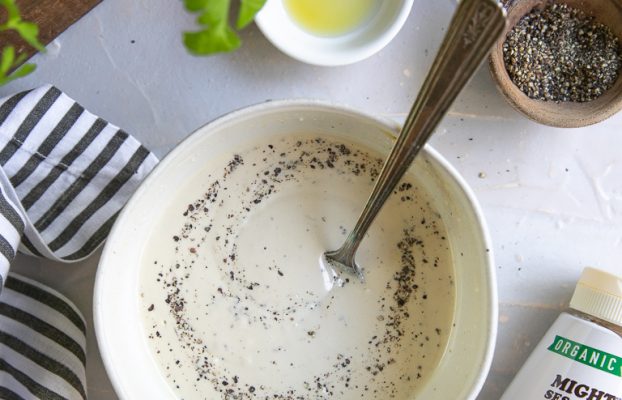
Mighty Sesame Tahini
Tahini is a paste made from ground sesame seeds, so it delivers the same nutty, roasted notes as sesame oil. To use it in place of oil, you can whisk the tahini with a neutral-tasting oil (such as canola or grapeseed) until pourable. This creates a smooth, pourable blend that captures sesame oil’s texture while delivering the same rich, nutty flavor.
It’s also a healthy addition to your meals since in a two-tablespoon serving of tahini, only 2 grams of the 16 grams of fat are saturated. Sesame seeds are rich in phytosterols, which are associated with supporting healthy cholesterol levels.
How to use tahini in place of sesame oil: A mixture of equal parts tahini and neutral oil can be used in place of sesame oil in dressings and marinades. For sauces or stir-fries, thin tahini with warm water or lemon juice before adding it to the pan. Mighty Sesame offers single-ingredient tahini in convenient squeeze bottles, making it easy to measure and pour. Because tahini is a paste rather than a cooking oil and contains natural solids that can scorch, it’s best used in low-heat preparations, sauces, or added at the end of cooking.
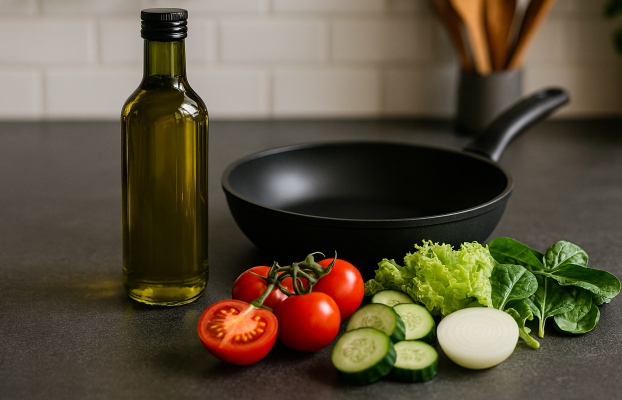
Olive Oil
Extra virgin olive oil doesn’t taste like sesame, but its mellow, fruity notes pair well with many of the same dishes. It’s rich in monounsaturated fats and antioxidants, which can help support overall wellness and balanced eating patterns. In stir-fry or sauté applications, choose light or refined olive oil. Remember that it has a higher smoke point (420–470 °F) than extra virgin olive oil.
When to use it: Olive oil is ideal when sesame flavor isn’t critical but you need a healthy fat. Use it 1:1 in salad dressings, cold noodles, marinades, and low- to medium-heat stir-fries. For a hint of sesame, stir in a spoonful of tahini or sprinkle toasted sesame seeds over the finished dish.
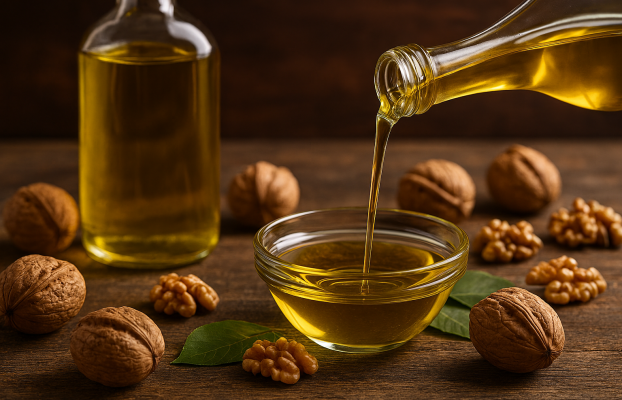
Walnut Oil
Walnut oil brings a delicate, nutty flavor reminiscent of sesame. However, unrefined walnut oil has a low smoke point (around 320 °F) and can turn bitter when heated, so it’s best used raw or in low-heat applications.
When to use it: Swap walnut oil for sesame oil in salad dressings, dipping sauces or to finish a dish just before serving. Because its flavor is more delicate than toasted sesame oil, you may want to double the amount or add a pinch of sesame seeds for extra nuttiness. Avoid using walnut oil for stir-frying or searing.
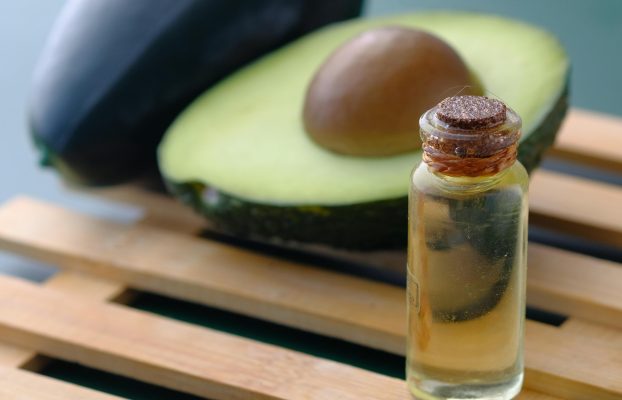
Avocado Oil
Avocado oil has a mild, buttery flavor and the highest smoke point of common cooking oils (around 520 °F). It contains mostly monounsaturated fats, which are widely considered to be beneficial as part of a balanced diet.
When to use it: Use avocado oil when you need a high-heat substitute, such as for stir-frying, grilling or frying. It won’t add sesame’s distinctive nuttiness, so combine it with a pinch of sesame seeds or a teaspoon of tahini if you want more flavor. It also works well in marinades and salad dressings.
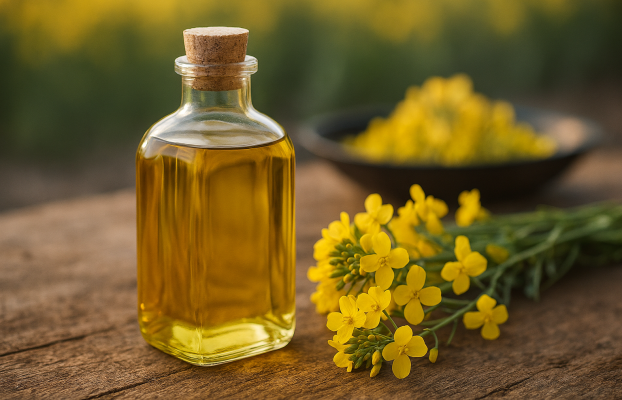
Canola Oil
Canola oil is neutral in flavor and has a high smoke point (around 400 °F), making it a versatile substitute. It is also inexpensive and accessible. Because it’s made from rapeseed, canola oil is naturally low in saturated fat and high in monounsaturated fats.
When to use it: Use canola oil for sautéing, baking, frying or as a base for making your own sesame-infused oil. You can toast sesame seeds in canola oil over low heat, strain, and cool the oil for a homemade substitute. Combine equal parts canola oil and tahini for a quick sesame-flavored dressing.
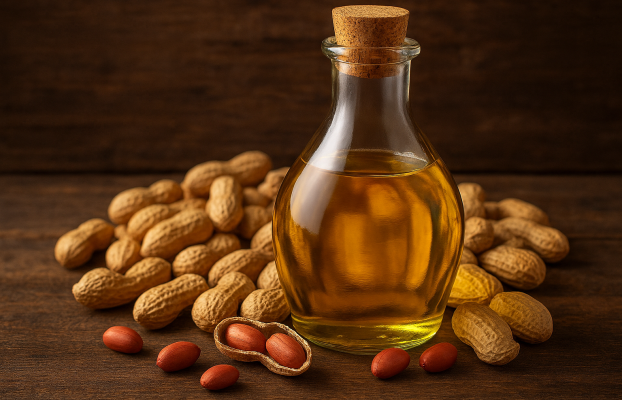
Peanut Oil
Peanut oil offers a nutty, aromatic flavor closer to sesame oil than most other substitutes. It has a high smoke point (~450 °F) and is commonly used in Asian cooking for stir-fries and deep-frying.
When to use it: Replace sesame oil with peanut oil in fried rice, noodle dishes and sautéed vegetables. Because peanut allergies are common, be sure to ask guests before using this in dishes you serve them. If you want more sesame flavor, add a few toasted sesame seeds or a drizzle of tahini after cooking.
Grapeseed Oil
Grapeseed oil has a clean, neutral taste and a reasonably high smoke point (around 400–420 °F). It is rich in polyunsaturated fats. Grapeseed oil can burn at very high temperatures, so avoid searing with it for extended periods.
When to use it: Grapeseed oil is a good choice for baking, frying, roasting or sautéing when you don’t need sesame flavor. To boost nuttiness, toss your dish with toasted sesame seeds or finish with a little tahini. Because polyunsaturated oils oxidize quickly, store grapeseed oil in a cool, dark place and use it within a few months.
Other Sesame Oil Substitutes
If you have sunflower oil and coconut oil on hand, they are also viable sesame oil alternatives.
- Sunflower oil has a neutral flavor and is well suited for high-heat cooking.
- Coconut oil adds a subtle sweetness, but it melts at moderate temperatures and works best in baked goods.
Smart Tips for Using Sesame Oil Substitutes
- Consider the smoke point – For stir-frying and high-heat cooking, choose oils with smoke points above 400 °F, such as avocado, peanut or canola oil. Use walnut or extra-virgin olive oil only in low-heat preparations or dressings.
- Pair flavors wisely – When substituting a neutral oil, add a small amount of tahini, toasted sesame seeds or sesame salt to replicate the nutty flavor. Conversely, when using oils with distinctive tastes, ensure they complement other ingredients.
- Mind dietary restrictions – Always ask about nut or seed allergies when cooking for others. Peanut and sesame allergies are common, so choose seed or vegetable oils if there are concerns.
- Store oils properly – Heat, light and air degrade oil quality. Polyunsaturated oils like grapeseed and walnut spoil faster and should be kept in a cool, dark place.
Bottom Line: So, What Can Replace Sesame Oil?
Sesame oil is special because of its unique aroma and toasted nutty profile, but you don’t have to cancel dinner plans if you run out of it. Mighty Sesame Tahini offers the closest flavor match when mixed with a neutral oil, while other options like olive, avocado, walnut and peanut oils let you choose the best substitute for your recipe’s flavor and cooking temperature.
With these swaps on hand, you’ll be ready to sauté, stir-fry, bake or whisk up dressings – no sesame oil required.
