Homemade or Store-Bought Tahini: Comparing the Pros & Cons
Trying to decide between making tahini yourself or picking up a jar at the store? You’re not alone. When it comes to homemade or store-bought tahini, the real trade-off is usually cost and control versus convenience and consistency.
Some people enjoy making tahini from scratch and choosing every ingredient themselves. Others just want something smooth, reliable, and ready to use. Here’s a clear look at the pros and cons, so you can decide what works best for your kitchen.
Pros of Homemade Tahini
- Cost-effective: Making tahini at home is usually very affordable. Even a small batch only costs a few cents in ingredients.
- Ingredient control: You get to choose exactly what goes in. Traditional tahini is made from sesame seeds, with a bit of oil if needed, so making it yourself lets you choose the seeds and oil you prefer.
- Customization and freshness: You can toast the seeds to your liking, adjust the roast level, or try black sesame instead of white sesame. That gives you more control over both flavor and freshness.
- Satisfaction of DIY: There’s also something satisfying about making it yourself. Turning a simple ingredient into a creamy paste can be a rewarding part of cooking.
Summary Box: Homemade tahini works best if you want lower cost, more control, and a fresher, more customizable result. |
Cons of Homemade Tahini
- Time and effort: Homemade takes more work. You need to toast or warm the seeds, blend them into a paste, and clean up afterward.
- Equipment and technique: A good blender or food processor helps a lot. Even then, homemade can turn out thinner or grainier than store-bought options, and getting that silky texture is not always easy.
- Consistency issues: Results can vary from batch to batch. Unhulled brown sesame seeds can make a grainier tahini, and black sesame might take longer to blend smoothly.
- Shorter shelf-life: Homemade is best stored in the fridge and used while it’s fresh, since it isn’t sealed the same way as store-bought options.
- Smaller yields: If you only make a small amount, the time and effort per ounce can feel high. Bigger batches are possible, but they can also be more tedious to make.
Summary Box: Homemade tahini takes more time, cleanup, and equipment, and the texture and shelf life may be less reliable. |
Pros of Store-Bought Tahini
- Convenience: This is the biggest advantage. Store-bought is ready to use right away, with no toasting or blending needed. You can open it and pour, squeeze, or drizzle it into your recipe.
- Consistent texture and flavor: Store-bought is usually made for a smooth, even texture. Because it’s produced under controlled conditions, the roasting and grinding stay consistent from one batch to the next.
- Pure, high-quality ingredients: Many brands, especially premium ones, use 100% sesame seeds with no additives. Brands like Mighty Sesame focus on simple, high-quality ingredients, so you get a clean, nutty tahini flavor without extra fillers.
- Longer shelf stability: Store-bought options are sealed for freshness and often include a “best before” date on the packaging. This makes it easier to know how long it can be used.
- Everyday use: Store-bought gives you the same simple sesame base as homemade, but with less work. It’s an easy way to add rich flavor and creamy texture to hummus, dressings, sauces, and more.
- Variety and packaging: There are many options on the shelf, including hulled and unhulled tahini, roasted and raw versions, and white or black sesame. Some brands also come in packaging that adds convenience, like Mighty Sesame, which is available in shake-and-squeeze bottles that are easy to use and help reduce waste.
Summary Box: Store-bought tahini is the better fit if you want a convenient and consistent, ready-to-use option with a longer shelf life. |
Cons of Store-Bought Tahini
- Higher cost: Store-bought can cost more per ounce, as it includes packaging and added convenience.
- Less control over ingredients: While some brands keep ingredients simple, others may include added oils to adjust texture or consistency.
- Flavor differences: Some people prefer the taste of homemade, while others enjoy the smooth, consistent flavor of store-bought. This often comes down to personal preference.
Summary Box: Store-bought tahini is easier, but may cost more and sometimes gives you less control over ingredients and flavor that you prefer. |
Why Choose Mighty Sesame Tahini
If you want convenient access to great quality tahini, Mighty Sesame Co. gives you that balance. It’s an easy option for home cooks who want rich flavor without the extra prep.
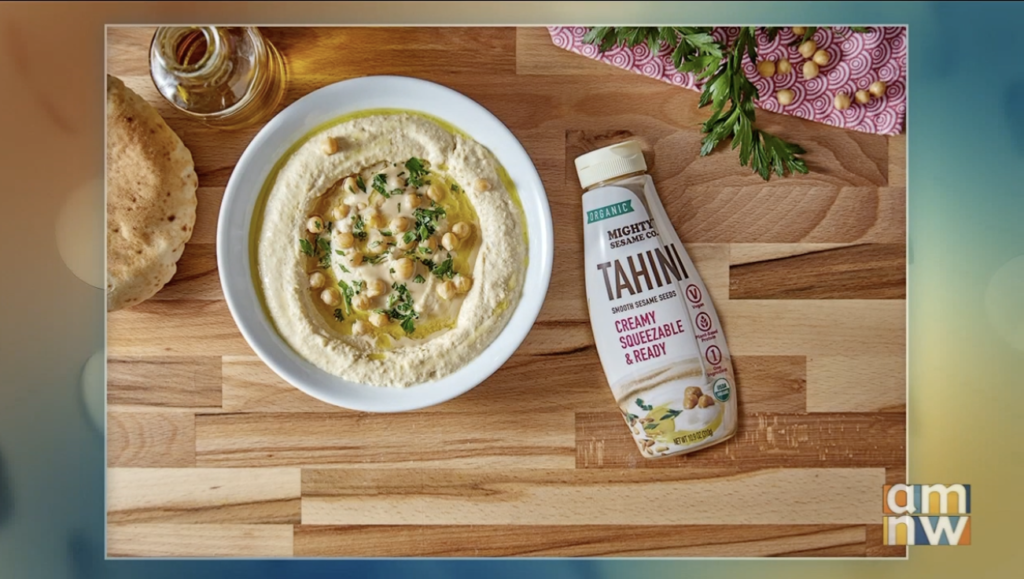
Mighty Sesame Tahini is made with high-quality sesame seeds for a clean, rich flavor and smooth consistency. The seeds are carefully sourced and roasted for a nutty flavor and smooth consistency. Because it’s single-ingredient, Mighty Sesame tahini is naturally vegan, gluten-free, and kosher, and it’s made in a dedicated peanut/tree-nut-free facility, which can be helpful for a range of kitchen needs.
Another big plus is the squeeze bottle. It’s simple to use, less messy than a traditional jar, and makes tahini much easier to pour when you’re cooking.
Find Mighty Sesame Near You
Ready to make Mighty Sesame part of your kitchen? Our tahinis are available at many natural foods stores and major grocers. Use our store locator to find Mighty Sesame Tahini near you. It’s a convenient option for adding smooth, rich sesame flavor to a variety of dishes.
Frequently Asked Questions
Not significantly. Tahini is simply ground sesame, so the basic nutrition is very similar. The main differences usually come down to freshness and additives.
Some brands add oil to make tahini smoother and easier to pour. Pure-ground tahini can be thicker and grainier, especially when it’s made with unhulled seeds. If you want a simpler option, look for “100% sesame” or “no added oil” on the label.
Keep both in the fridge after opening. Homemade ones are best used while fresh, while store-bought can typically be kept longer. For store-bought, follow the storage guidance on the packaging. If the oil separates, just stir or shake before using.
Hulled white sesame is the most common choice because it has a milder flavor and a smoother texture. Unhulled brown sesame has more fiber and a stronger taste, while black sesame has a more distinctive flavor.
Some Mighty Sesame Tahini products are USDA organic and made from only organic sesame seeds. It has no preservatives, stabilizers, or added oils. If you’re looking for an organic option, make sure that you check our products that has the ‘organic’ label on it.
Mighty Sesame brings together quality and convenience. It’s made from a single ingredient and packed in a squeeze bottle that makes it easy to use. You also get a smooth texture and rich, consistent flavor.
