9 Best Alternatives to Nut Butters in Cooking
Nut butters like peanut and almond butter show up in sandwiches, smoothies, and baked goods all the time, but they’re not the right fit for everyone. Food allergies are one of the biggest reasons people look for an alternative to nut butter. Even a little cross-contact with peanuts or tree nuts can cause serious reactions, so many home cooks turn to spreads made from seeds or beans instead.
Sometimes the reason is simpler. Maybe your usual jar is empty, or maybe you follow a diet that makes nut butters less practical. Either way, there are plenty of naturally nut-free options that still bring creaminess, richness, and flavor to your cooking. Here are nine of our favorites.
The Best Alternatives to Nut Butters
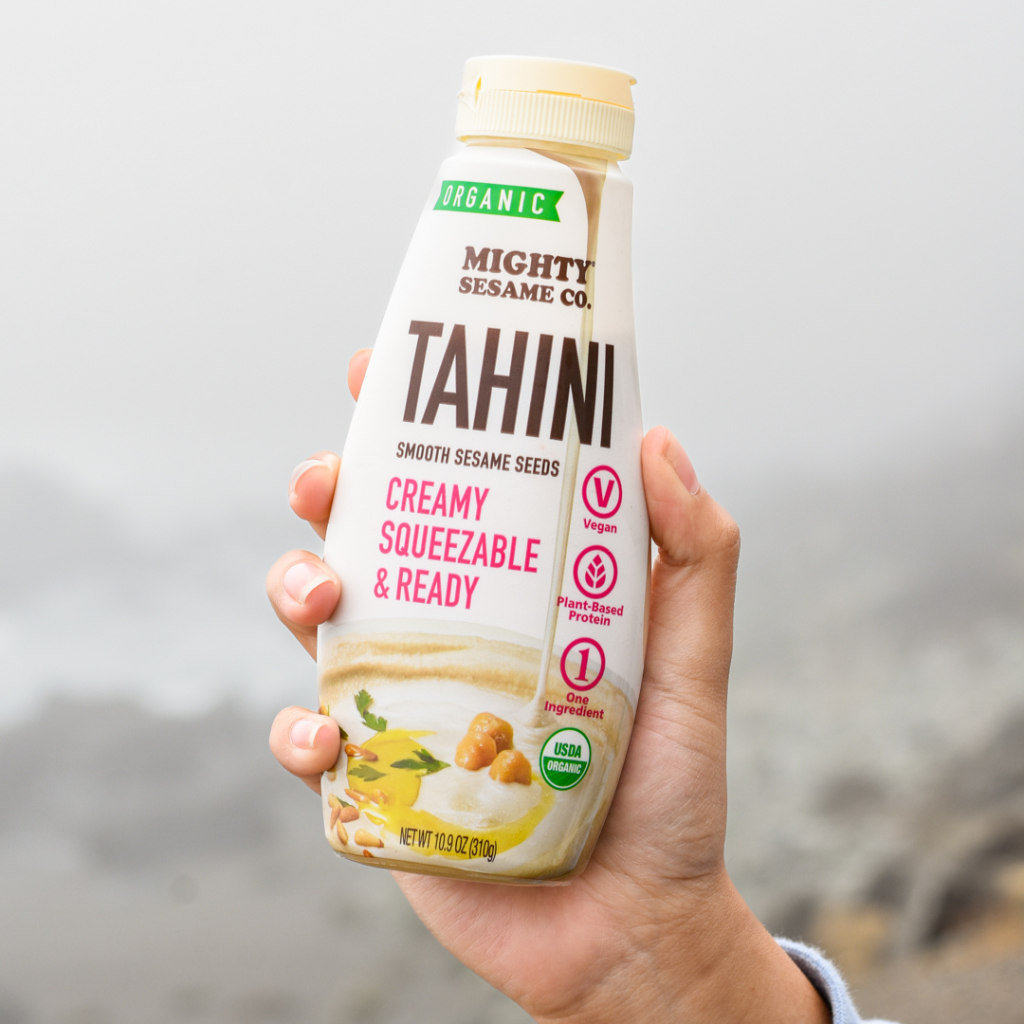
1. Mighty Sesame Tahini (Seed Butter)
Tahini is a creamy sauce made by grinding sesame seeds until smooth. It adds a subtle nutty flavor to both sweet and savory recipes without using nuts. Spread it on toast with honey, swirl it into oatmeal, or blend it into smoothies and dips.
Because tahini stays loose at room temperature, it also works especially well in sauces and dressings. Our Mighty Sesame Tahini comes in a squeeze bottle, so it’s easy to drizzle, mix, and use without a mess.
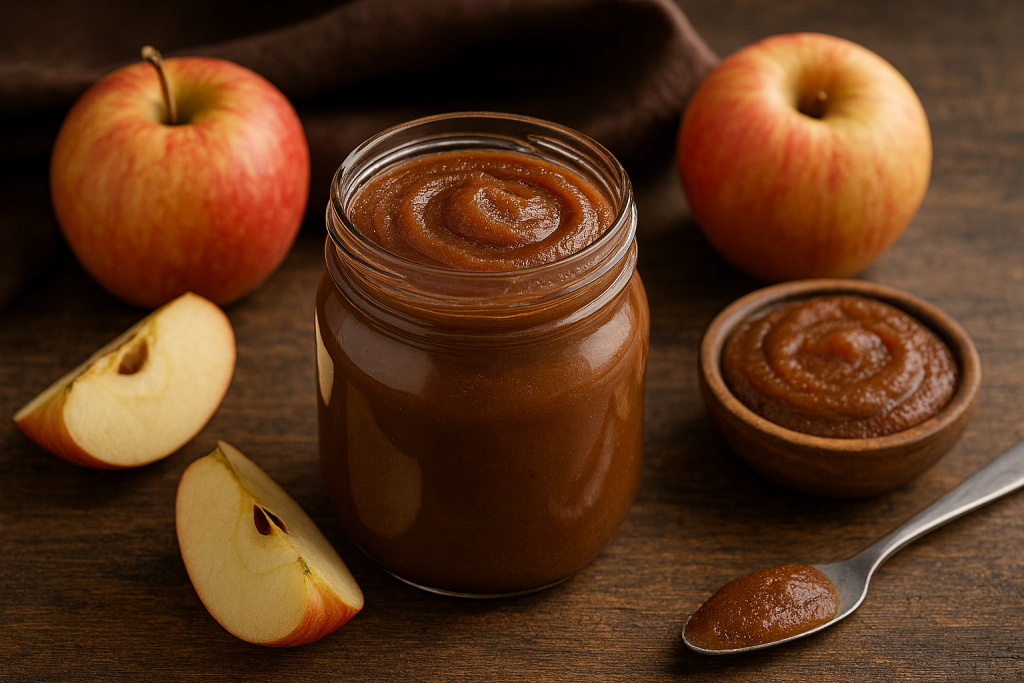
2. Fruit Butter
Fruit butters are made by cooking pureed fruit until thick and spreadable. Apple butter is the classic example, but pear, plum, and pumpkin butter work well too. These spreads are naturally sweet and easy to use in baking or as a topping for pancakes, yogurt, or toast.
They also add moisture and gentle sweetness to recipes that usually call for nut butter. That makes them a simple option when you want something soft, smooth, and naturally sweet.
3. Vegetable Butter
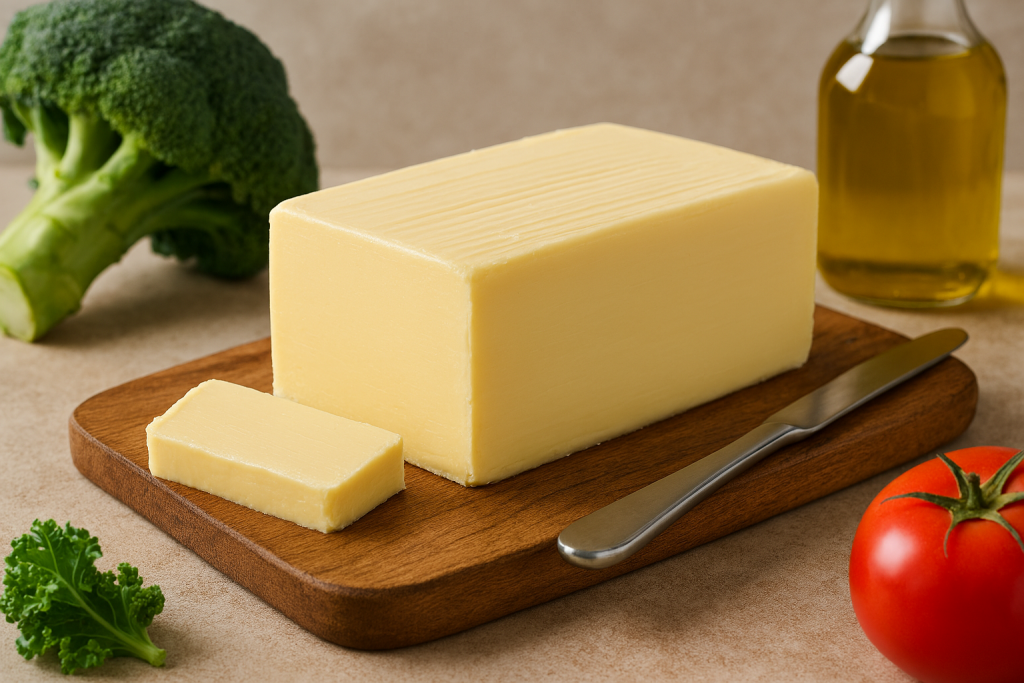
Purees made from cooked vegetables such as sweet potatoes, carrots, or beets can be blended with a little oil to create a silky vegetable “butter.” These spreads lean savory rather than sweet and add earthy depth to soups, sauces, and sandwiches.
Roasted carrot butter, for example, can step in for peanut butter in satay-style sauces. It gives you richness and body, just with a different flavor profile.
4. Bean Mash
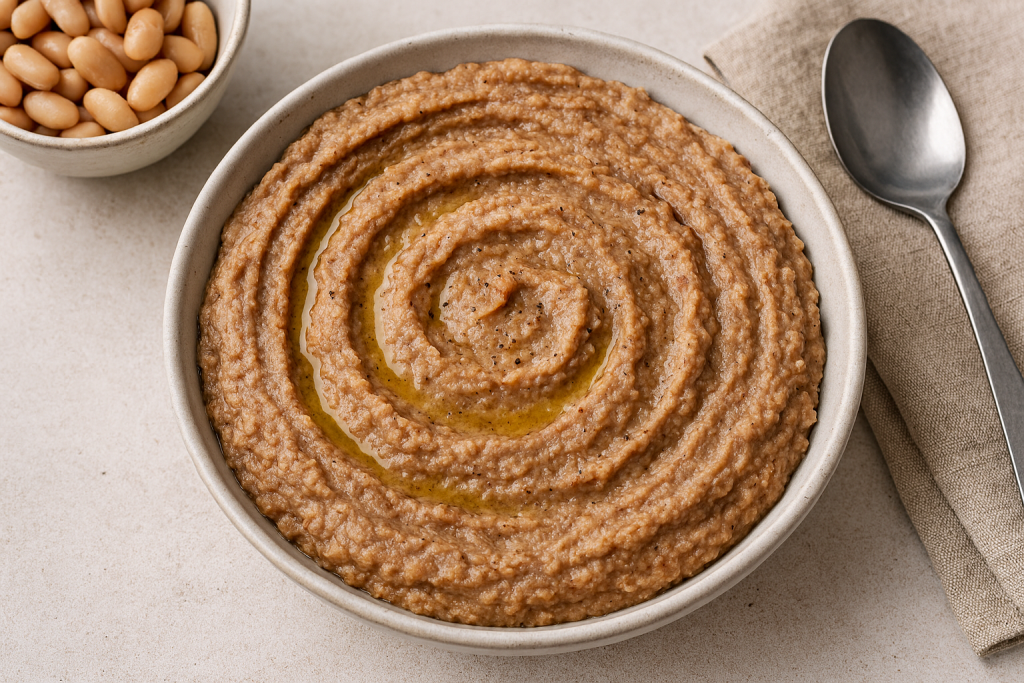
For an ultra-creamy option, mash cooked beans or chickpeas with olive oil, lemon, and seasonings. Hummus is made this way and gives you a nut-free spread that works well in wraps and dressings.
Because beans are legumes, they’re naturally free from tree nuts. They can also be seasoned to fit either sweet or savory dishes, depending on what you’re making.
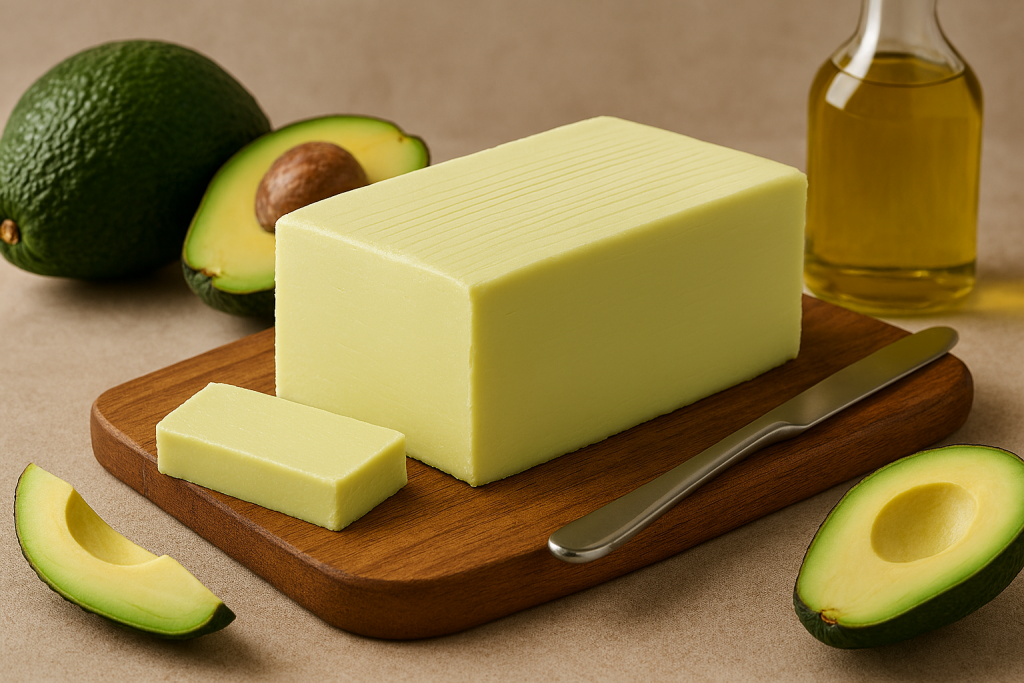
5. Avocado Butter
Mashed avocado has the richness and mouth-feel of nut butter, but it’s entirely plant-based. The green fruit is high in unsaturated fats and blends smoothly into toast, smoothies, and baked goods.
To use it as a spread, mash ripe avocado with a pinch of salt and a squeeze of lemon to help prevent browning. It’s simple, creamy, and easy to work into everyday meals.
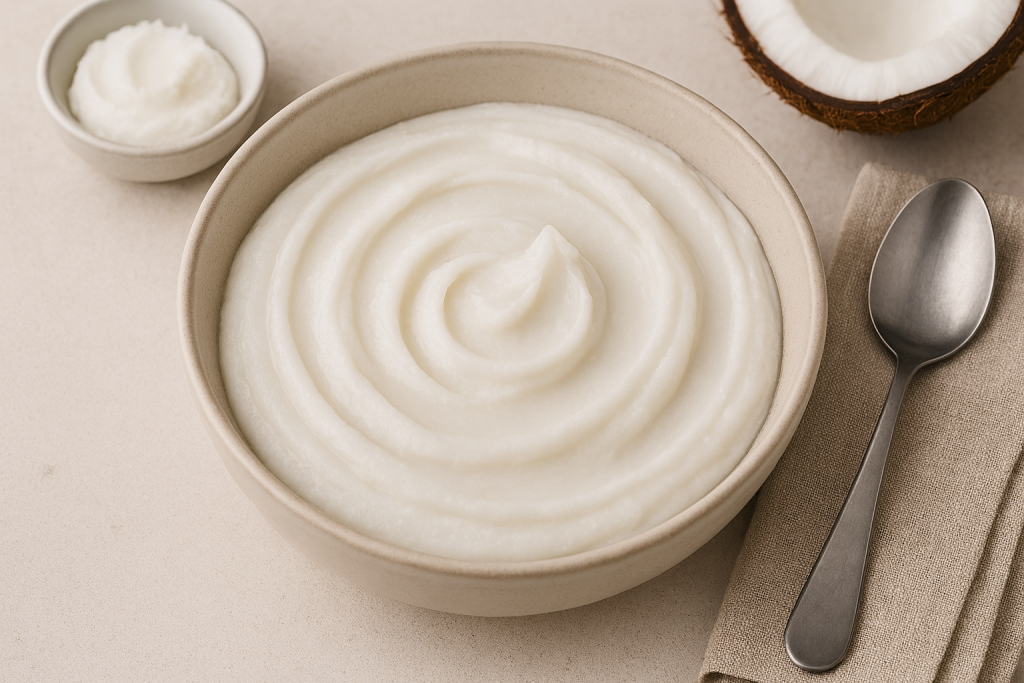
6. Coconut Butter
Coconut butter, also called coconut manna, is made from whole coconut flesh that’s ground into a thick, spreadable paste. It has a mildly sweet, tropical flavor and is solid at room temperature.
Warm it gently to soften, then spread it on toast, stir it into curries, or use it as a dairy-free base for desserts. It’s a good choice when you want something rich with a naturally sweet edge.
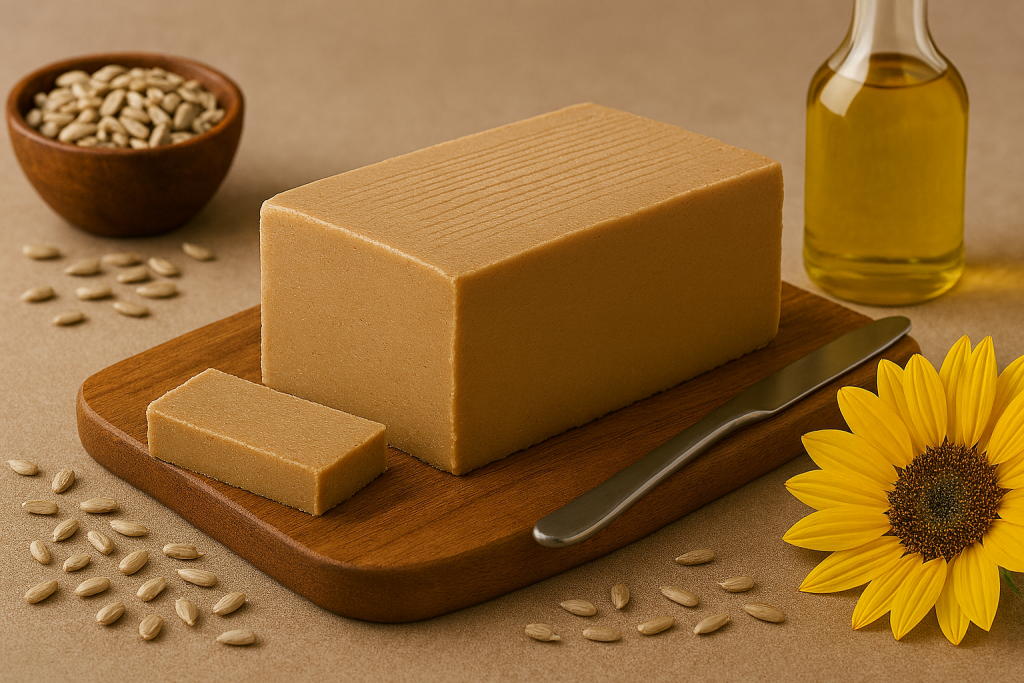
7. Sunflower Seed Butter
Sunflower seed butter is one of the most popular nut-free alternatives to peanut butter. It looks and tastes similar to peanut butter, but it’s made from roasted sunflower seeds and is safe for most people with nut allergies.
Did you know that sunflower seed butter has more monounsaturated fat and minerals than either almond or peanut butter.
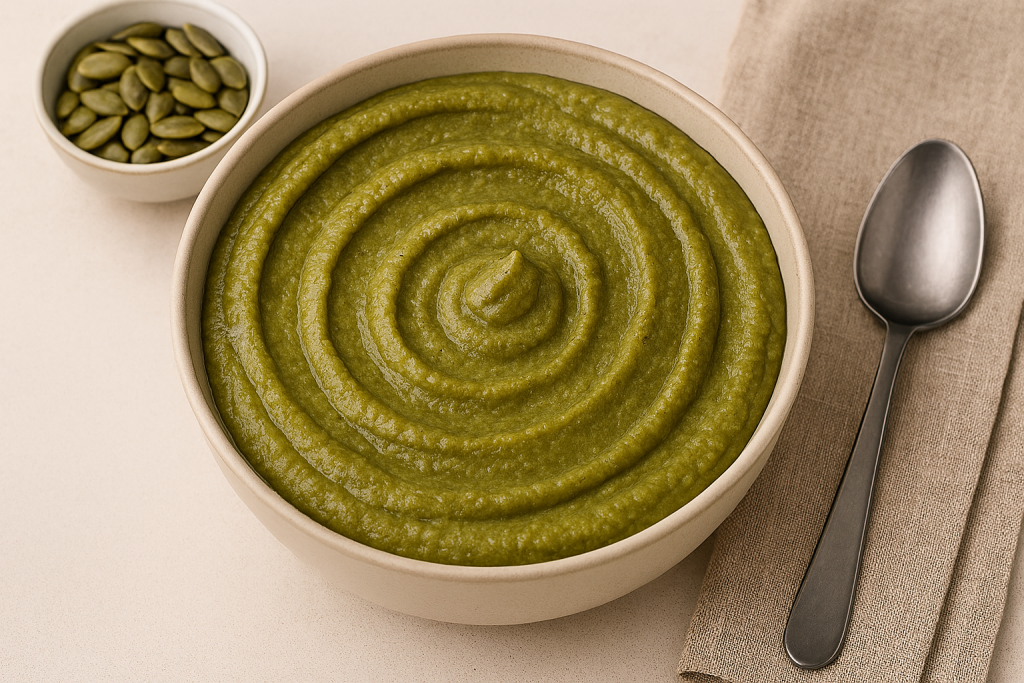
8. Pumpkin Seed Butter
Pumpkin seed butter is another nut-free spread. It has an earthy, creamy taste and is easy to make at home by roasting and blending pumpkin seeds.
Pumpkin seed butter works well in smoothies and as a topping for oatmeal. Its naturally green color also adds visual interest to baked goods and sauces.
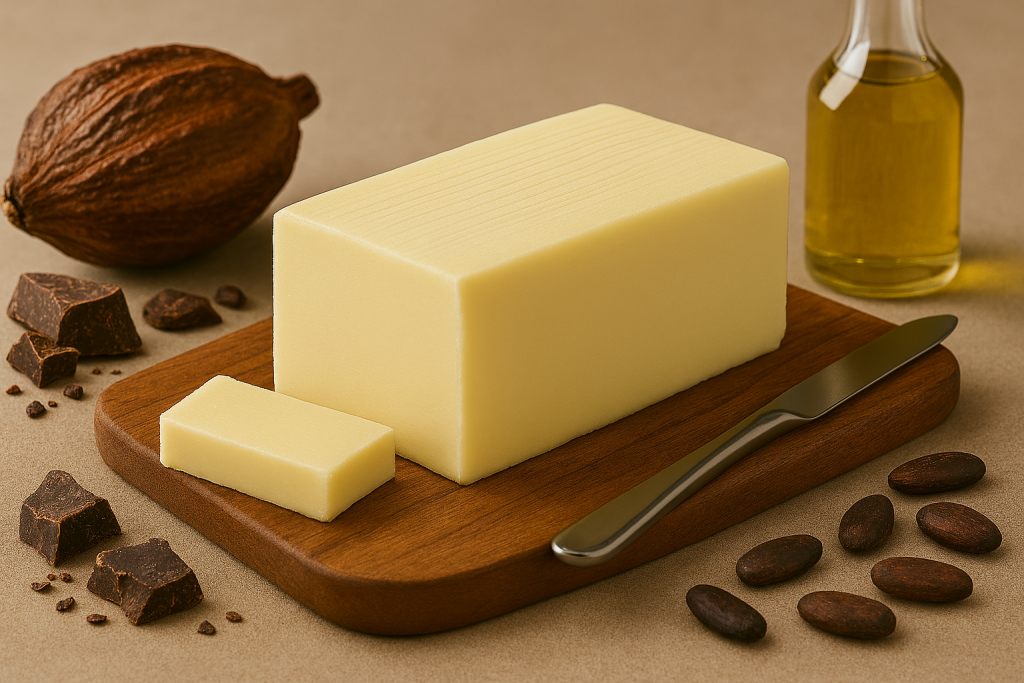
9. Cocoa Butter
Unlike the other options, cocoa butter is the fat extracted from cacao beans. It has a mild chocolate aroma and melts at body temperature.
Although it’s often used in confections and skincare, you can blend melted cocoa butter with sweeteners to make a chocolate spread. Because cocoa butter is pure fat, combine it with other ingredients, such as maple syrup or coconut cream, to create a spreadable texture similar to nut butters.
Why Choose Mighty Sesame Tahini as Your Nut Butter Alternative?
All of the breakfast and snack recipes above can be made with Mighty Sesame Tahini. Tahini is naturally nut-free because it’s made from ground sesame seeds. It has a creamy consistency that blends smoothly into oatmeal, smoothies, dips, and baked goods.
Unlike many nut butters, tahini stays pourable at room temperature and comes in a convenient squeeze bottle. The roasted sesame flavor adds depth and balance to both sweet and savory dishes without overpowering them.
Ready to level up your cooking? Find a jar near you using our Store Locator and explore the Mighty Sesame range.
Bottom Line
There’s no need to give up on spreads just because you can’t eat nuts. Whether you’re avoiding allergens or simply want to try something new, these nine alternatives to nut butter gives you plenty of variety. From the rich sesame taste of tahini to the fruity sweetness of apple butter or the earthy creaminess of pumpkin seed butter, there’s a substitute for almost any dish.
Keeping Mighty Sesame Tahini in your pantry makes it easy to swap in a nut-free option whenever you need one. It’s smooth, versatile, and simple to use in both sweet and savory recipes.
For more creative meal ideas, visit our recipes here!
FAQs about Nut Butter Alternatives
No. Tahini is made from ground sesame seeds. It has a creamy texture and nutty flavor, but because it’s made from seeds, it’s considered a seed butter rather than a nut butter. That makes it a good option for people with nut allergies.
Seed butters such as sunflower butter and pumpkin seed butter are excellent substitutes for nut butter. Other options include fruit butters like apple butter, vegetable purées such as sweet potato mash, mashed avocado, coconut butter, and even bean-based spreads like hummus.
These alternatives offer similar richness and can be adjusted to fit both sweet and savory dishes.
Sunflower seed butter offers different nutrients. According to a USDA study, sunflower seed butter has more monounsaturated fat and minerals like magnesium, phosphorus, zinc, copper, and selenium than almond or peanut butter.
Still, nutritional needs vary, so the best choice is the one that fits your diet and taste.
Yes. Pumpkin seed butter has a creamy texture and earthy flavor that works well in baked goods and smoothies. Substitute pumpkin seed butter at a 1:1 ratio for almond or peanut butter in most recipes.
You may need to adjust sweetness and spices a little to match the flavor profile.
