6 Pistachio Butter Alternatives for Your Recipes
Pistachio butter is known for its emerald‑green color and rich, sweet‑nutty flavor. A tablespoon of pistachio butter delivers plant‑based protein, healthy fats and nutrients like vitamin B6, potassium and manganese, making it one of the most nutrient‑dense nut spreads. However, it’s also expensive and can be hard to find. Some people are allergic to pistachios or simply want a different flavor profile. Many recipes call for pistachio butter only for its creamy texture or nutty taste, so you don’t always need the real thing.
This blog reviews the six best alternatives to pistachio butter and explains how to pick the right substitute for your needs.
Why Look for Pistachio Butter Alternatives?
Availability and Cost
Pistachios are expensive – especially the high‑quality green kernels needed for a vibrant spread. Homemade pistachio butter recipes emphasize the time and cost required to shell, blanch and toast pistachios. If you need a nutty spread for a cookie, dressing or smoothie, more affordable nut or seed butters can deliver a similar texture without breaking the bank.
Dietary Allergies and Restrictions
Pistachios are tree nuts; in the United States, tree-nut allergies affect up to 1% of adults and children. Substituting with a seed butter or a nut to which you’re not allergic allows you to enjoy your recipes safely. Likewise, if you keep kosher or follow a vegan or gluten‑free diet, alternatives like sesame tahini meet those requirements.
Flavor and Nutrition
Pistachio butter has a sweet, slightly floral flavor. Some cooks may want something milder or earthier, or they might want to highlight different nutrients. Nuts and seeds offer diverse profiles – almond butter is rich in vitamin E, sunflower seed butter packs vitamin E and selenium, and sesame tahini contains copper, manganese and B vitamins. Picking the right alternative can tailor your dish’s taste and nutritional value.
Best Pistachio Butter Alternatives
1. Sesame Tahini (Top Alternative)
Tahini is made by grinding roasted sesame seeds into a creamy paste. Like pistachio butter, it has a rich, nutty flavor, but it leans more earthy than sweet. A tablespoon of tahini delivers about 3 grams of protein, 8 grams of fat and 1 gram of fiber – similar to pistachio butter’s macronutrient profile. And it’s loaded with minerals such as copper, phosphorus and manganese. Tahini also supplies B vitamins, especially thiamine and vitamin B6.
How to use it: Tahini excels in sauces, dressings and dips. Swap it for pistachio butter in savory recipes like pesto, hummus, or salad dressing. For baked goods or desserts, add a little honey or maple syrup to replicate pistachio butter’s natural sweetness.
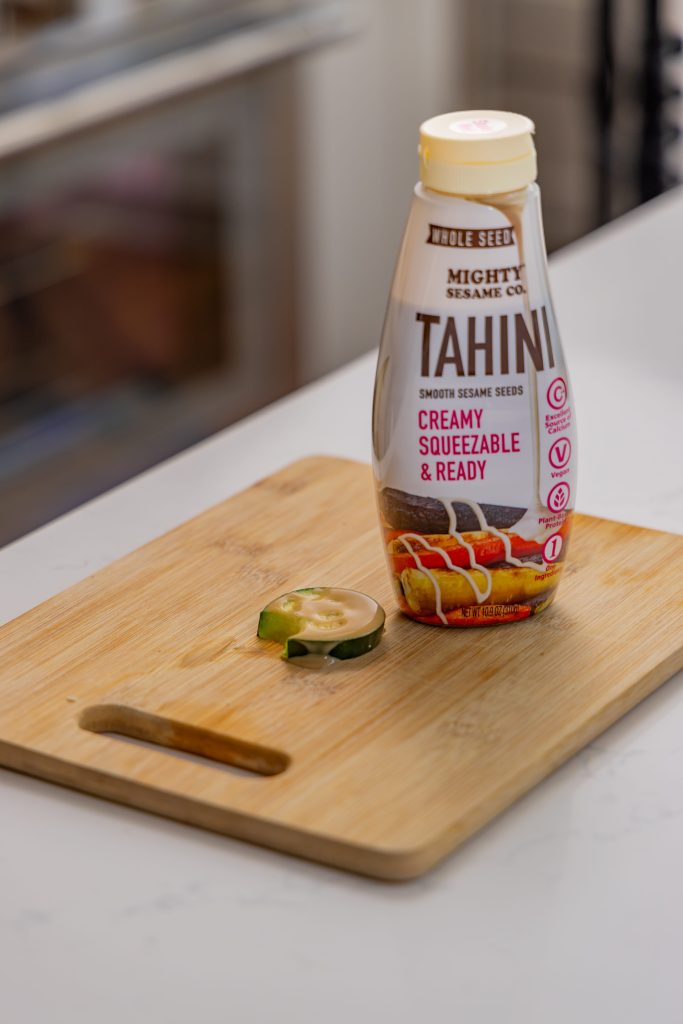
Mighty Sesame offers organic, single‑ingredient tahini in an easy‑squeeze bottle, making it convenient to drizzle over oatmeal, fruit or yogurt. Because it’s seed‑based, tahini is a smart choice for those with tree‑nut allergies.
2. Almond Butter
Almond butter is made from ground almonds and boasts heart‑healthy monounsaturated fats. It provides roughly 98 calories, 9 grams of fat, 3.4 grams of protein, 1.6 grams of fiber and notable amounts of vitamin E per tablespoon. And vitamin E is a potent antioxidant that helps support immune function.
When to use: Almond butter’s mild, slightly sweet flavor makes it an excellent pistachio butter replacement in cookies, cakes and smoothies. Use it at a 1:1 ratio, and consider adding a drop of almond extract to intensify the nutty aroma. Because almond butter is widely available and often cheaper than pistachio butter, it’s a practical everyday substitute. Those on low‑carb diets appreciate almond butter’s low carbohydrate content (3 grams per tablespoon).
3. Cashew Butter
Cashew butter is creamy and subtly sweet, with a texture similar to pistachio butter. A one‑ounce (28 g) serving supplies:
- 14 grams of fat
- 5 grams of protein
- 73 mg of magnesium
- 0.62 mg of copper
- 1.5 mg of zinc
Cashew butter’s high magnesium content helps support muscle and nerve function, while its copper content aids iron absorption and energy production.
When to use: Cashew butter is excellent for creamy sauces, vegan cheesecake fillings and frostings. Its naturally sweet flavor pairs well with vanilla and cinnamon. Substitute cashew butter in 1:1 ratio for pistachio butter in recipes. If you need a greener hue for visual appeal, add a pinch of matcha or spirulina powder.
4. Sunflower Seed Butter
Sunflower seed butter comes from roasted sunflower seeds and is especially high in vitamin E and selenium. A quarter‑cup of sunflower seeds supplies 41% of the Daily Value for selenium and 49% of the DV for vitamin E. Sunflower seeds also contain magnesium, copper and manganese. These antioxidants and minerals help protect cells from free‑radical damage and support immune function.
When to use: Sunflower butter has a slightly earthy, toasted flavor with a hint of sweetness. It’s a good choice when cooking for people with nut allergies. Because sunflower seeds naturally contain chlorophyll, the butter can sometimes turn green when baked with leavening agents – a harmless reaction known as “sunflower seed chlorophyll.” To prevent color changes, add a bit of lemon juice or cream of tartar to recipes. Use sunflower butter in 1:1 ratio for pistachio butter in sandwiches, bars or sauces.
5. Hazelnut Butter
Hazelnuts offer a rich source of monounsaturated fats and provide vitamins and minerals including thiamine, magnesium, copper and manganese. They also deliver dietary fiber. Hazelnuts have an unmistakable flavor – sweet, slightly cocoa‑like – which makes hazelnut butter a decadent alternative.
When to use: Hazelnut butter is perfect for chocolate‑based desserts, frosting and spreads. Replace pistachio butter in 1:1 ratio, and adjust sugar levels because hazelnut butter tastes sweeter. When blended with cocoa powder and maple syrup, it creates a luxurious spread for toast, crepes or fruit.
6. Peanut Butter
Peanut butter is a staple because it’s affordable, widely available and rich in protein. Natural peanut butter provides a balance of protein and healthy fats that is roughly 7 grams of protein per 2‑tablespoon serving, and it contains iron, folate, potassium, magnesium and vitamin B6. For those who aren’t allergic, peanut butter can be a good source of plant protein and healthy fat, though some brands add sugar or trans fats.
When to use: Peanut butter’s robust, roasted flavor works best in sauces, granola bars and smoothies. It can stand in for pistachio butter in savory dressings or baking, though it will impart a stronger flavor and darker color. To approximate the green hue of pistachio butter, mix peanut butter with a small amount of ground pistachios or spinach powder.
The Bottom Line
While pistachio butter offers a unique flavor and impressive nutrient profile, you don’t need it to make delicious recipes. Alternatives like sesame tahini, almond butter, cashew butter, sunflower seed butter, hazelnut butter and peanut butter each provide their own mix of healthy fats, proteins and micronutrients.
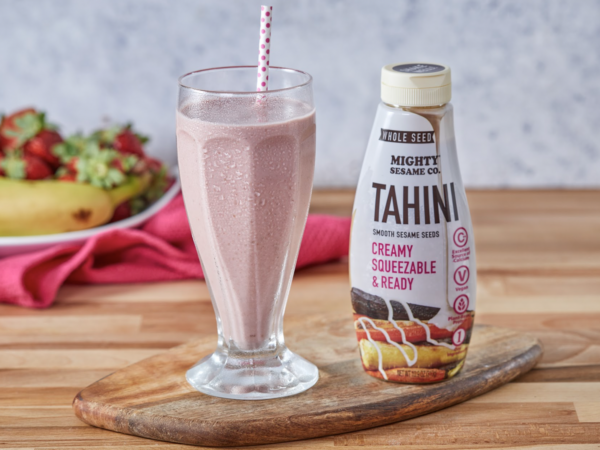
Tahini stands out as a particularly versatile substitute. It’s rich in minerals and B vitamins, has a deep, nutty flavor, and is seed‑based, making it friendly for those with tree‑nut allergies. By understanding the nutritional differences and flavor profiles, you can confidently choose the best pistachio butter alternative for your needs.
Ready to try a new spread? Explore our range of tahini products and discover how easy it is to incorporate nutrient‑dense sesame into your everyday cooking. Find a store near you and start enjoying the versatility and health benefits of tahini today.
