Tahini vs. Peanut Butter: Nutrition, Taste & Best Uses
Choosing between tahini and peanut butter is less about finding one universal winner and more about choosing what works best for your meal. Both add creaminess, plant-based protein, and rich flavor, but they are made from different ingredients and shine in different ways.
The main differences in tahini vs. peanut butter come down to nutrition, taste, texture, allergens, and intended use. Here’s a quick side-by-side comparison.
Tahini vs. Peanut Butter: Key Differences
| Tahini | Peanut Butter | |
|---|---|---|
| Main ingredient | Sesame seeds | Peanuts |
| Flavor | Rich, earthy, roasted sesame | Roasted, distinctly peanut-forward |
| Texture | Smooth and often more pourable | Usually thicker and more spreadable |
| Protein | Varies by product | Varies by product |
| Common uses | Hummus, dressings, bowls, baking, smoothies, dips | Toast, sandwiches, smoothies, baking, sauces |
| Major allergen | Sesame | Peanuts |
| Savory and sweet uses | Yes | Yes |
Neither one is automatically better. The right choice depends on your taste, the recipe, your dietary needs, and the specific products you are comparing.
Tahini vs. Peanut Butter Nutrition
When comparing tahini nutrition with peanut butter, it’s best to start with the Nutrition Facts labels for the products you actually use.
Both foods are calorie-dense because sesame seeds and peanuts naturally contain fat. They also provide plant-based protein, carbohydrates, and a variety of vitamins and minerals. However, exact amounts can vary depending on the product, serving size, and added ingredients.
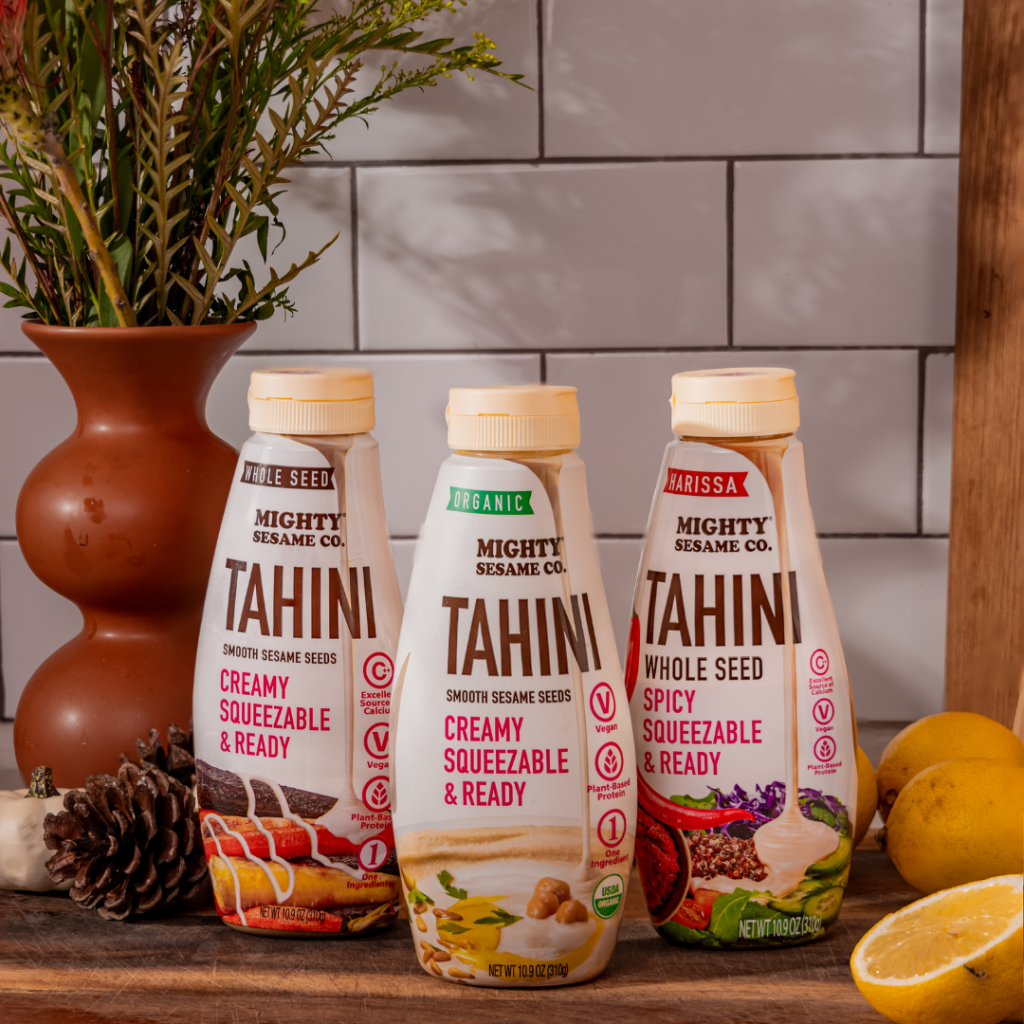
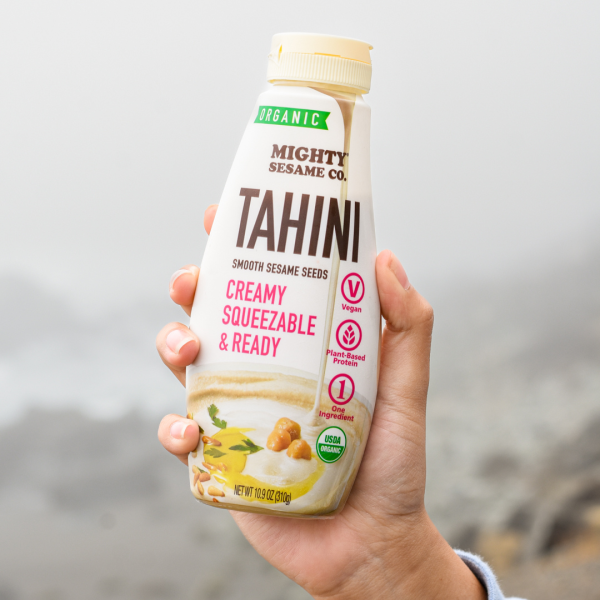
For example, Mighty Sesame Organic Tahini lists the following per 30 g serving:
| Nutrient | Mighty Sesame Organic Tahini |
|---|---|
| Calories | 210 |
| Protein | 8 g |
| Total fat | 18 g |
| Carbohydrates | 4 g |
For comparison, USDA FoodData Central reference data for smooth, unsalted peanut butter provides approximately 179 calories, 6.7 g of protein, 15.4 g of fat, and 6.7 g of carbohydrates per 30 g serving. These figures are rounded for general comparison and should not replace the label on a specific product.
The ingredients can vary, too. Peanut butter may contain peanuts, salt, sugar, added oils, or stabilizers, while tahini products can differ depending on the sesame seeds and processing method.
For a closer look at sesame-based nutrition, read our guide to tahini benefits.
Which Has More Protein?
There is no single answer for every product.
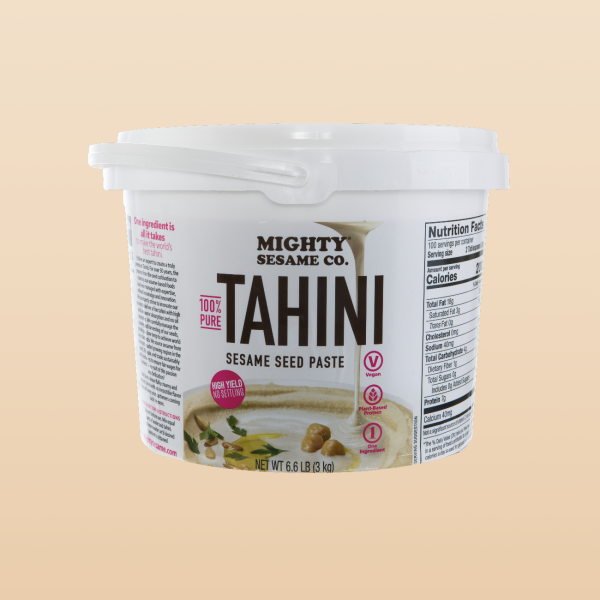
Some generic nutrition references show peanut butter with more protein than tahini, but individual products can differ. For example, Mighty Sesame Organic Tahini provides 8 g of protein per 30 g serving, while the Classic Tahini Tub provides 7 g per 30 g serving.
To compare tahini protein with a particular peanut butter, check both Nutrition Facts labels and use the same serving size.
Protein is only one part of the picture. Taste, texture, ingredients, allergens, and intended use matter, too.
How Do Tahini and Peanut Butter Taste?
Flavor is another clear point of difference. Tahini has a roasted sesame flavor that can taste earthy, nutty, and slightly savory. It pairs naturally with chickpeas, lemon, vegetables, chocolate, fruit, and warm spices.
By contrast, peanut butter has a familiar roasted-peanut flavor and is often used in sandwiches, on toast, in smoothies, and in desserts and baked goods.
The textures differ, too. Peanut butter is generally thicker and more spreadable, while tahini is often smooth and more fluid. That pourable texture makes tahini easy to drizzle over a bowl or mix into a dressing, sauce, or smoothie.
Is Tahini a Nut-Free Spread?
Tahini is made from sesame seeds, not peanuts or tree nuts. For people looking for a nut-free spread because they are avoiding peanuts or tree nuts, tahini may be an option.
However, tahini is not free from all allergens. Sesame is one of the nine major food allergens recognized in the United States, so anyone with a sesame allergy should avoid tahini and check product labels carefully. The FDA lists sesame as a major food allergen.
Mighty Sesame states that its tahini is made in a peanut- and tree nut-free environment. If allergies are a concern, review the current packaging and product information for the specific product you are considering.
You can find more product information in our FAQs page.
Can Tahini Replace Peanut Butter?
Tahini can work as a peanut butter substitute in many dishes, but the two spreads are not identical.
The swap is easiest when peanut butter is being used for creaminess, richness, or texture rather than for a strong peanut flavor.
Tahini can work well in:
- Toast and sandwiches
- Smoothies
- Oatmeal and breakfast bowls
- Dressings and sauces
- Dips
- Cookies, brownies, and other baked goods
- Chocolate desserts
- Savory noodle or grain dishes
The result will taste different. Tahini brings sesame flavor rather than peanut flavor, and its consistency may be thinner than the peanut butter used in the original recipe.
That difference can also affect the texture of baked goods. When ratios matter, a tahini-specific recipe is usually the best place to start.
Which Is Better for Baking?
Both can work in baking, but they bring different flavors.
Peanut butter gives cookies, bars, brownies, and cakes a clear roasted-peanut flavor. Tahini gives baked goods a roasted sesame flavor that pairs especially well with chocolate, vanilla, fruit, and warm spices.
If you want tahini for measuring, mixing, and baking, the Classic Tahini Tub is a practical Mighty Sesame option. Its smooth, creamy texture makes it easy to measure and blend into recipes.
Best Uses for Tahini vs. Peanut Butter
Sometimes the easiest way to choose is to start with the dish.
Choose tahini when you want:
- A drizzle over grain bowls or roasted vegetables
- Hummus or other sesame-based dips
- Salad dressings
- Savory sauces
- Smoothies
- A sesame spread for toast
- Tahini brownies, cookies, or desserts
- A peanut-free option when sesame is suitable for you
Choose peanut butter when you want:
- A distinctly peanut-forward sandwich or toast spread
- Traditional peanut butter cookies
- Peanut-flavored smoothies
- Recipes where peanut flavor is central to the dish
You can substitute one for the other in some recipes, but the flavor—and sometimes the texture—of the finished dish will change.
Which Mighty Sesame Tahini Should You Try?
If tahini sounds like the right fit, Mighty Sesame offers different formats for different uses.
Organic Tahini Squeeze Bottle
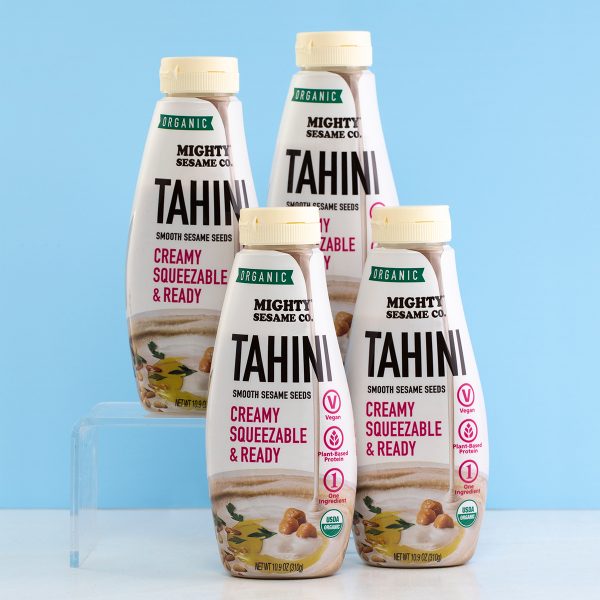
The Organic Tahini Squeeze Bottle is made with one ingredient: roasted, hulled organic sesame seeds. Its squeeze format is handy for drizzling tahini over toast, vegetables, bowls, salads, or sandwiches. It also makes it easy to mix tahini into smoothies without scooping it from a tub.Best for: drizzling, spreading, smoothies, bowls, and quick meals.
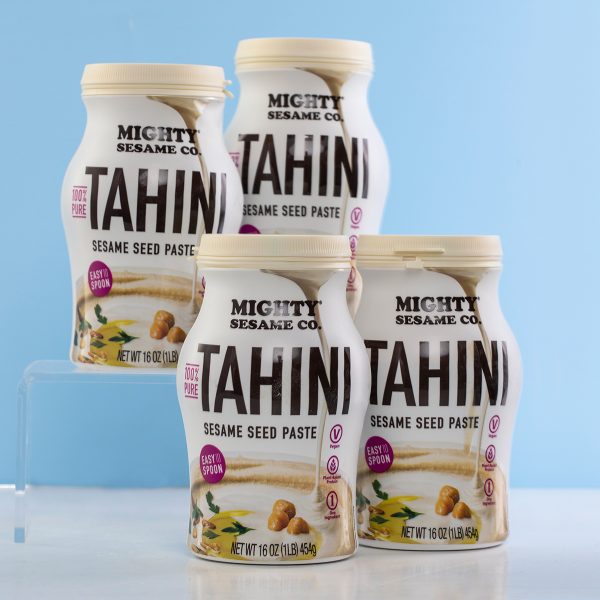
Classic Tahini Tub
The Classic Tahini Tub is made from sesame seeds and has a smooth, creamy texture that works well for measuring, baking, and blending.
Best for: baking, brownies, smoothies, desserts, and recipes where you want to spoon out a specific amount.
Frequently Asked Questions
Is tahini healthier than peanut butter?
Neither tahini nor peanut butter is universally healthier. Both provide calories, fat, plant-based protein, and different vitamins and minerals. The better choice depends on the specific products, your dietary needs, and the nutrients you want to prioritize.
For the most accurate comparison, check the Nutrition Facts labels on the products you are eating.
Is tahini nut-free?
Tahini is made from sesame seeds rather than peanuts or tree nuts. However, sesame is a major food allergen in the United States, so tahini is not suitable for people with a sesame allergy.
Mighty Sesame states that its tahini is produced in a peanut- and tree nut-free environment.
Can tahini replace peanut butter?
Yes, tahini can work as a peanut butter substitute in many foods, including toast, smoothies, sauces, dips, and some baked goods.
Tahini has a different sesame flavor and may have a thinner consistency, so the finished dish can taste and feel different.
Try Tahini Your Way
Ultimately, the answer in the tahini vs. peanut butter comparison depends on what you want from the food in front of you. Both have their place, but tahini is a versatile sesame spread that works just as well in savory dishes as it does in smoothies, spreads, and desserts.
